Enjoy FREE shipping on your first order! (Minimum $99 purchase)
Alert: Important Update for US patients - Upcoming U.S. Government changes. Click to read more

Enjoy FREE shipping on your first order! (Minimum $99 purchase)
Alert: Important Update for US patients - Upcoming U.S. Government changes. Click to read more
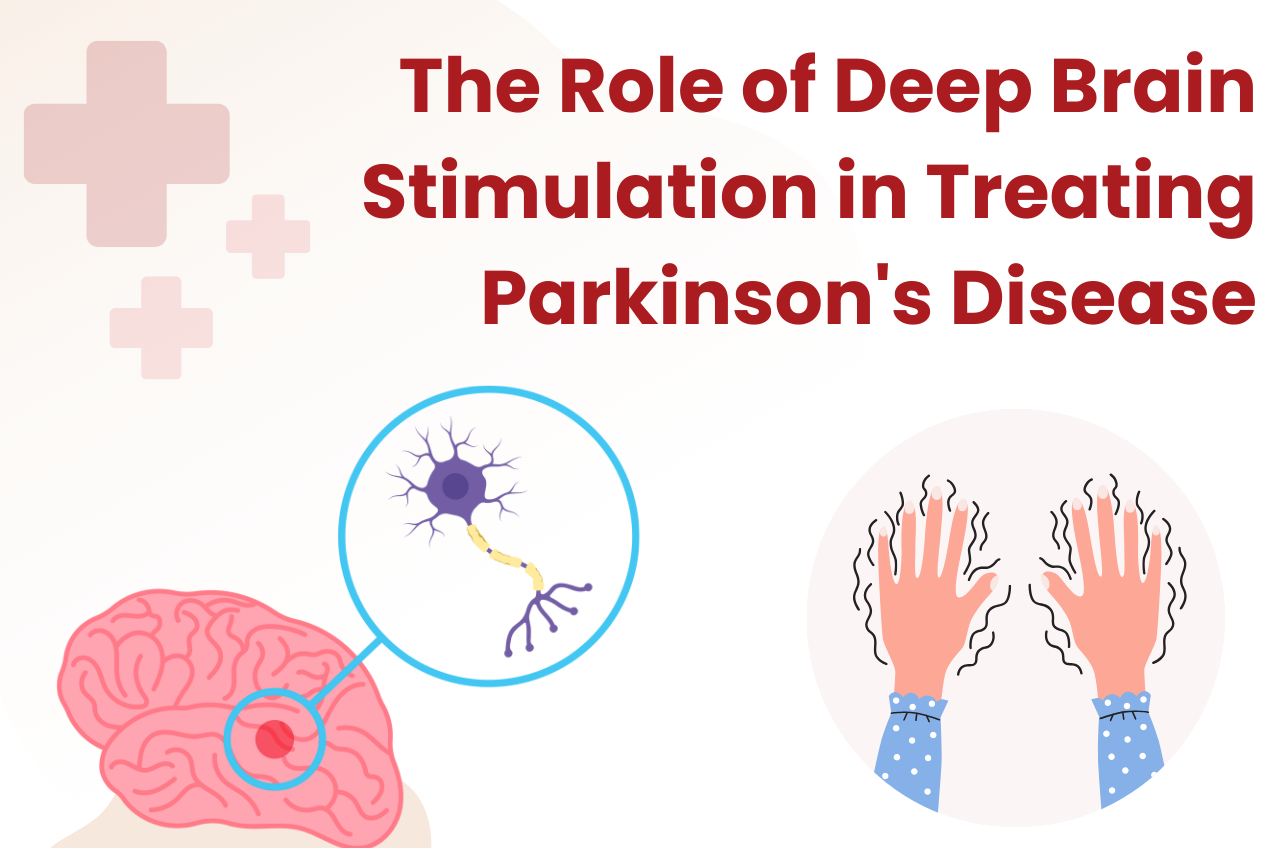
Deep Brain Stimulation (DBS) is an advanced neurosurgical procedure designed to manage symptoms of certain neurological and psychiatric disorders. It involves implanting electrodes in specific brain regions, connected to a pulse generator placed under the skin near the chest. The generator sends controlled electrical impulses to modulate abnormal brain activity, improving symptoms in conditions like Parkinson’s disease, essential tremor, dystonia, epilepsy, and in some cases, OCD or depression. It is highly customizable, allowing healthcare providers to adjust the stimulation settings for optimal results.
When it comes to managing Parkinson's symptoms, DBS can provide significant relief, especially in the advanced stages of the disease. While it doesn't cure the underlying condition, it often dramatically improves the quality of life by reducing symptoms such as tremors, rigidity, stiffness, and motor fluctuations that may not be well-controlled by medications. The procedure is typically considered when medication alone becomes less effective or causes troublesome side effects. Although Deep Brain Stimulation has proven to be effective, it carries risks, including surgical complications, device malfunctions, or side effects such as speech or mood changes. Despite these risks, It represents a beacon of hope for patients with severe, treatment-resistant conditions, offering them a chance to regain independence, improve mobility, and experience a better quality of life. For those with Parkinson's, DBS can significantly enhance daily functioning, making it a valuable option for managing Parkinson's symptoms.

DBS provides significant relief for Parkinson’s disease patients by targeting specific areas of the brain that control movement, such as the subthalamic nucleus or globus pallidus interna. It works by delivering electrical impulses to these regions, helping to regulate abnormal brain activity that causes symptoms like tremors, rigidity, bradykinesia (slowness of movement), and motor fluctuations.
Deep Brain stimulation does not cure Parkinson's or stop disease progression but is highly effective in reducing symptoms that do not respond well to medications. It also allows patients to decrease their medication dosage, minimizing drug-related side effects such as dyskinesia (involuntary movements).
DBS therapy benefits provide a promising treatment option for advanced Parkinson’s disease, enhancing both motor function and overall quality of life.
Diagnosing Parkinson’s disease (PD) can be challenging, as there is no single test to definitively confirm the condition. The process typically involves a thorough assessment by a neurologist who will evaluate the patient’s symptoms, and medical history, and conduct various tests to rule out other conditions. Early diagnosis is crucial for effective management and treatment. Here are the key steps involved in the diagnosis of Parkinson’s disease:
Parkinson’s medications aim to manage symptoms by restoring or mimicking dopamine levels in the brain.
Treatment is often tailored, combining medications and other therapies like physical therapy or Deep Brain Stimulation (DBS) for advanced stages.
While effective in managing symptoms, Parkinson’s medications may cause:
DBS offers significant symptom relief but carries risks, including:
Candidates for Deep Brain Stimulation (DBS) typically have advanced Parkinson’s disease with significant motor symptoms (tremors, rigidity, or dyskinesia) that are not well-controlled by medications. They should respond positively to Levodopa but experience side effects or motor fluctuations. Ideal candidates are in good overall health, without severe dementia, psychiatric disorders, or other contraindications. A thorough evaluation by a neurologist and neurosurgeon determines eligibility.
Deep Brain Stimulation (DBS) surgery carries risks such as bleeding in the brain (hemorrhage), infection at the implant site, or hardware complications like device malfunction. Temporary side effects may include confusion, speech difficulties, or mood changes. Rarely, serious complications like seizures or stroke can occur. Proper pre-surgical evaluations minimize these risks.
The cost of Deep Brain Stimulation (DBS) varies widely depending on the country, hospital, and specific device used, typically ranging from $30,000 to $70,000. Many insurance plans, including Medicare and private insurers, cover DBS if deemed medically necessary. Coverage often includes the surgery, device, and follow-up programming but may vary, so patients should confirm details with their provider.
DBS typically remains effective for managing motor symptoms over time; however, it does not halt the progression of Parkinson’s disease. As the condition advances, new symptoms like cognitive decline or speech difficulties may emerge, which DBS cannot address. Regular adjustments to the device settings and ongoing medical care help optimize its effectiveness throughout the disease course.
Before considering Deep Brain Stimulation (DBS), discuss your symptom progression, the effectiveness of current medications, and any side effects you're experiencing. It's important to evaluate your overall health, including the presence of cognitive or psychiatric issues, as DBS may not be suitable for individuals with significant dementia or mood disorders. Your doctor will also review the potential risks, benefits, and whether DBS is a viable option for your stage of Parkinson’s disease.
It is not a permanent solution as it does not cure Parkinson's disease or stop its progression. While it provides long-term symptom relief, its effectiveness may decrease over time, and adjustments may be needed. The device requires regular maintenance, including battery replacements every 3-5 years. Additionally, new symptoms may emerge as the disease progresses, which DBS cannot address.
> Allergy Medications: Types, Uses, Costs & Side Effects
> Xeljanz Cost & Savings Guide: How to Buy Safely Online
> 5 Ways to Lower Your Prescription Drug Prices This Month