Enjoy FREE shipping on your first order! (Minimum $99 purchase)
Alert: Important Update for US patients - Upcoming U.S. Government changes. Click to read more

Enjoy FREE shipping on your first order! (Minimum $99 purchase)
Alert: Important Update for US patients - Upcoming U.S. Government changes. Click to read more
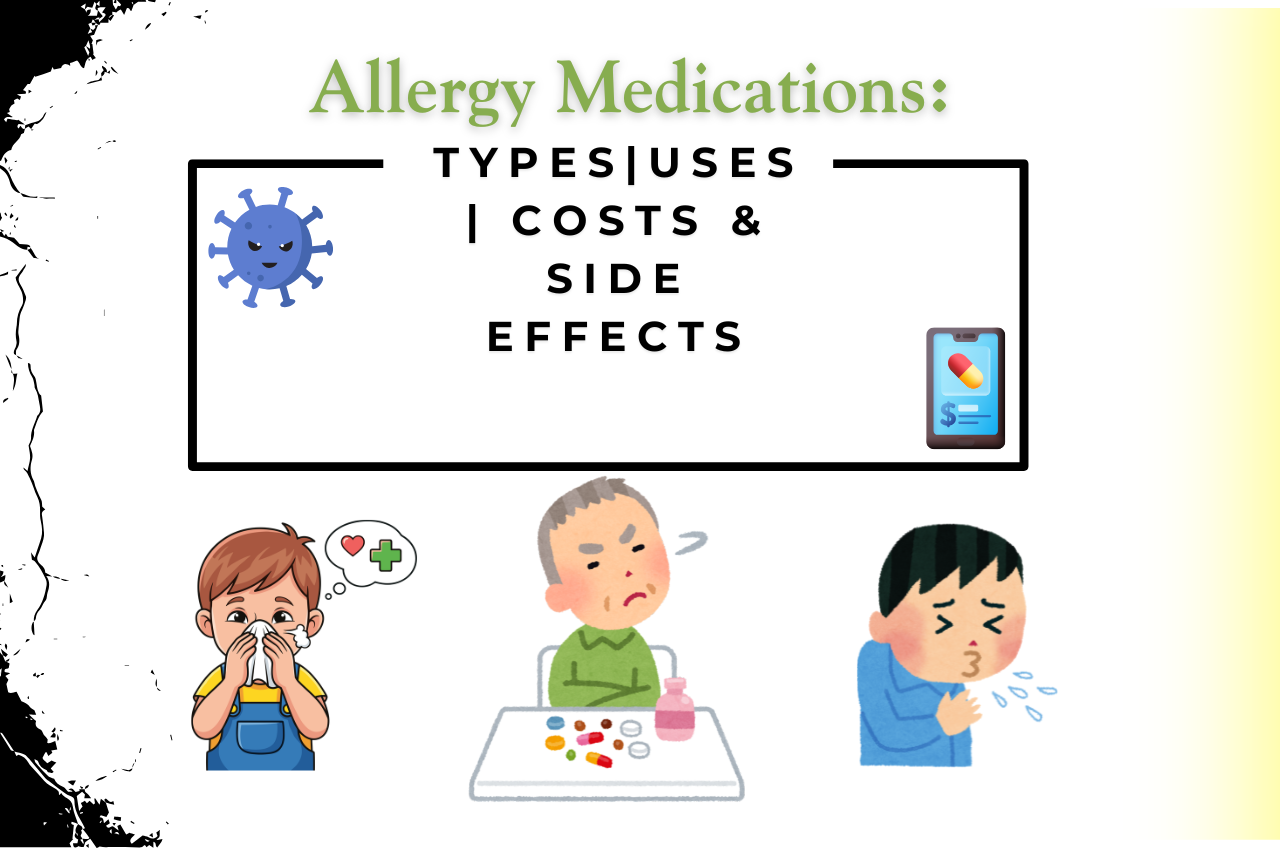
Sneezing, itchy eyes, a runny nose, or constant congestion can make allergies difficult to manage. Allergy medications can help control these symptoms and make everyday activities easier. The appropriate option depends on the type and severity of symptoms, age, overall health conditions, and other medications being used. This guide covers types of allergy medications, their uses, costs, side effects, and safety tips.
Antihistamines, nasal corticosteroids, decongestants, leukotriene modifiers, and allergy eye drops are the primary types of allergy drugs. Each kind functions in a unique manner. While some are prescription medications, others can be purchased over-the-counter.
One of the most popular medications for allergies is an antihistamine. They inhibit histamine, a substance that contributes to a variety of allergic symptoms. They can help:
Common antihistamines include Cetirizine, loratadine, fexofenadine, and diphenhydramine.
Nasal corticosteroids reduce nasal irritation. They can help manage multiple symptoms at once and are frequently used for allergic rhinitis. Examples include mometasone, budesonide, and fluticasone. They work best when used consistently as directed rather than only when symptoms become severe.
Decongestants reduce nasal passage swelling. When your nose feels totally plugged, they can offer temporary relief. Some nasal decongestant sprays and pseudoephedrine are common examples.
Decongestants are not appropriate for everyone. In certain individuals, oral decongestants can raise heart rate and blood pressure. Additionally, nasal decongestant sprays should only be used as prescribed.
Leukotriene receptor antagonists function by blocking Leukotrienes, which are molecules that cause inflammation. The most common is montelukast.
When someone has both asthma and allergies, it might also be helpful. However, Montelukast comes with significant cautions regarding potential neuropsychiatric side effects. Before using it, talk to your healthcare provider about the advantages and disadvantages.
If your main problem is itchy, watery, or irritated eyes, allergy eye drops can give you targeted relief. Depending on the product, they may contain antihistamines or other ingredients that help relieve allergy-related eye symptoms. Always follow the product instructions, and see a doctor if you get sharp eye pain or notice any vision changes.
The primary uses of main allergy medications are to manage symptoms resulting from an allergic reaction. Different medicines address different symptoms; selecting one that aligns with your primary complaint can enhance the effectiveness of your treatment.
Seasonal allergies may arise when pollen grains prompt an immune reaction. Common allergy symptoms include
Antihistamines can help relieve sneezing and itching. Nasal corticosteroids are especially helpful when nasal inflammation and congestion are significant.
Some individuals experience allergy symptoms year-round. Common triggers include Dust mites, mold, and pet dander, indoor allergens. Medication can help ease symptoms, but minimizing exposure to known triggers is equally beneficial.
For instance, routine cleaning can help lower dust exposure. Keeping pets out of bedrooms may also benefit some individuals with pet allergies.
Antihistamines are often used to manage itching and hives that occur with specific allergic reactions. However, hives accompanied by breathing difficulty or throat swelling may indicate a severe allergic reaction.
Certain medications are designed to address eye-related symptoms. They may help reduce:
If eye symptoms are severe, painful, or interfere with vision, do not assume they’re allergy-related; seek medical help.
The cost of allergy medication can differ significantly. Prices vary from person to person and even within different geographical locations.
Your final price may be affected by:
Many common medications are affordable, particularly as generics. However, some prescription items can be significantly more expensive. For example, a nasal spray might cost differently than prescription tablets. Brand-name drugs may also be more expensive than their generic counterparts.
Purchasing allergy medications without insurance often results in paying the full pharmacy price, which can be expensive at times. In such cases, you may ask your healthcare provider if a suitable generic option is available.
You can reduce medication costs by:
Cost should not be the only factor when choosing a medication. You should avoid changing or altering your medication just because a different one is less expensive. The active ingredient, its strength, and how to take it are significant factors and should be openly discussed with your healthcare practitioner.
Generic medications contain the same active ingredient as their brand-name counterparts. However, not all allergy medicines have a generic version available. Availability may also differ across pharmacies and locations. If cost is a concern, consult your healthcare provider to see if a suitable generic alternative is available.
If you are considering purchasing allergy medication online, use a legitimate Canada Pharmacy Pro that follows applicable prescription requirements and provides appropriate medication information.
Like other medications, allergy treatments may lead to side effects. The type and severity depend on the specific medication.
Common side effects with some antihistamines may include:
Nasal corticosteroids can result in nasal dryness, irritation, or occasional nosebleeds. Decongestants can lead to restlessness, trouble sleeping, a faster heart rate, or higher blood pressure in some people.
Always follow the medication label or your healthcare professional’s instructions. Certain allergy medications may require additional precautions.
Severe symptoms such as difficulty breathing, wheezing, severe throat tightness, swelling of the tongue or throat, fainting, or rapidly worsening symptoms may indicate anaphylaxis rather than routine medication side effects. Anaphylaxis is a condition that demands immediate treatment.
Sometimes, more than one allergy medication may be used together, depending on the medicines and symptoms being treated. However, combining them can increase the risk of side effects or duplicate ingredients. For example, using multiple antihistamines may increase drowsiness. Check with your doctor or pharmacist before combining prescription, over-the-counter, or herbal allergy products.
The time required for allergy medication to work depends on the medicine and symptoms being treated. Some antihistamines can begin easing symptoms within about an hour, while nasal corticosteroids may take several days of consistent use to provide their full benefit. Follow the product instructions, and do not take extra doses if relief is delayed.
Yes, some allergy medications are approved or commonly used for children, but the right medication and dose depend on the child’s age, weight, symptoms, and the specific product. Read the label carefully and consult a pediatrician before giving medication to a child, particularly young children.
Some allergy medications may be appropriate during pregnancy or breastfeeding, but safety varies by medicine and individual circumstances. Do not begin, discontinue, or change treatment without consulting a medical professional. Inform your healthcare provider that you are pregnant, planning to become pregnant, or breastfeeding so they can help determine an appropriate treatment option.
Yes. Allergy medications may interact with prescription medicines, over-the-counter products, and supplements. Some antihistamines may increase drowsiness when combined with sedatives or alcohol. Decongestants may affect blood pressure or heart rate. Tell your doctor or pharmacist about all the medications you’re currently taking before starting a new allergy medication.
Adhere to the dosage guidelines provided for your particular medication. Some antihistamines are taken once daily, but others may need different schedules. For consistent control, nasal corticosteroids may require daily use. Do not take extra doses to achieve quicker relief unless your healthcare provider explicitly recommends it.
Consider seeing a doctor if allergy symptoms are severe, persistent, worsening, or disrupting sleep, everyday activities, or over-the-counter treatments fail to offer sufficient relief. Seeking medical advice is also crucial if you feel significant breathing difficulty, throat swelling, fainting, or other signs of a potentially severe allergic reaction requiring urgent care.
> Allergy Medications: Types, Uses, Costs & Side Effects
> Xeljanz Cost & Savings Guide: How to Buy Safely Online
> 5 Ways to Lower Your Prescription Drug Prices This Month