Enjoy FREE shipping on your first order! (Minimum $99 purchase)
Alert: Important Update for US patients - Upcoming U.S. Government changes. Click to read more

Enjoy FREE shipping on your first order! (Minimum $99 purchase)
Alert: Important Update for US patients - Upcoming U.S. Government changes. Click to read more
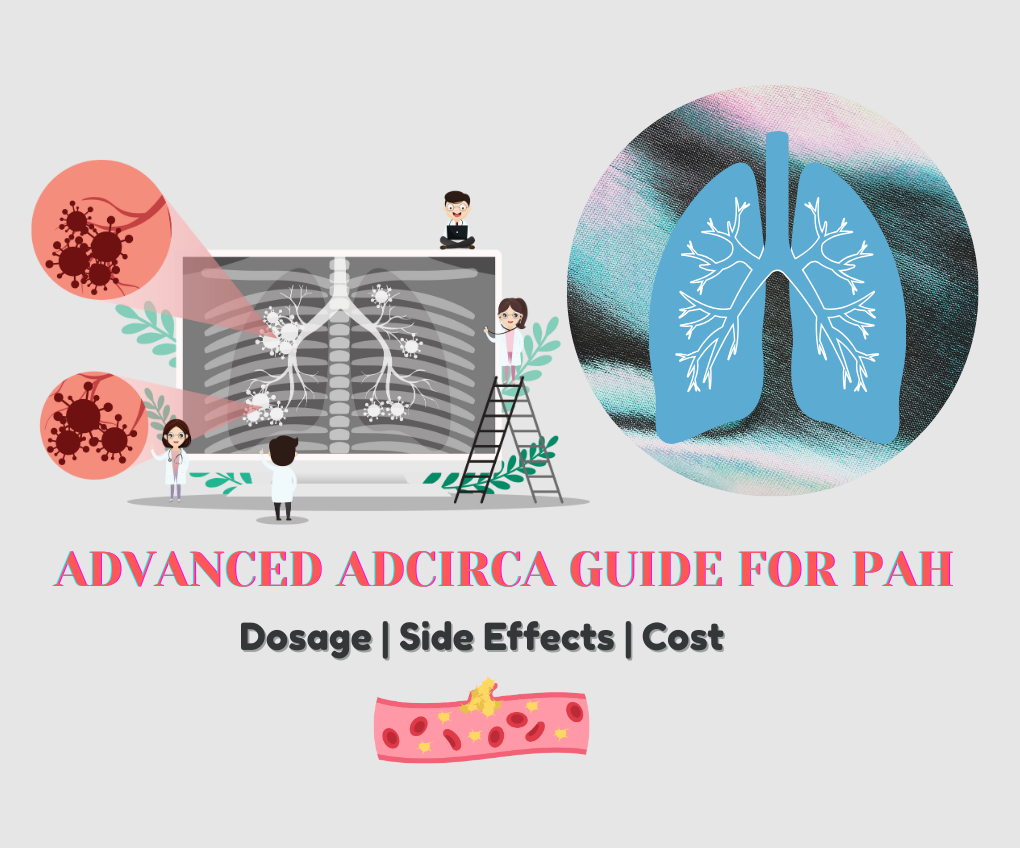
Adcirca is a prescription medication used to treat Pulmonary Arterial Hypertension (PAH), a condition that causes high blood pressure in the lungs' arteries.
It helps improve exercise capacity and supports easier breathing by reducing pressure in the lung arteries. Adcirca contains Tadalafil, which works by relaxing the blood vessels in the lungs, allowing for smoother blood flow and reducing the strain on the heart. Taken once daily as an oral tablet, it offers a convenient option for the long-term management of PAH. For those looking to understand better its usage, benefits, and potential side effects, an Advanced Adcirca Guide for PAH can be an invaluable resource.
Adcirca belongs to a class of medications called PDE5 inhibitors, and while Tadalafil is also found in other medications like Cialis, Adcirca is specifically formulated for the treatment of PAH. It plays an important role in improving the quality of life, stamina, and daily function in individuals living with this condition. Adcirca is typically part of a comprehensive treatment plan that may also include lifestyle adjustments and regular monitoring by a healthcare provider. It should always be used under medical supervision for the best outcomes.
PDE5 inhibitors like Adcirca improve circulation by widening (dilating) the blood vessels, especially in the lungs. This vasodilation effect allows blood to flow more freely, which reduces pulmonary arterial pressure and helps the heart pump blood more efficiently. With improved blood flow, patients with PAH experience less shortness of breath, greater exercise tolerance, and reduced fatigue. Over time, this can contribute to better heart function and an enhanced quality of life.
Adcirca contains Tadalafil, which helps relax the smooth muscles lining the blood vessels in the lungs. It does this by inhibiting an enzyme called PDE5 (phosphodiesterase type 5). When PDE5 is blocked, the levels of cyclic GMP increase in the body. This chemical causes the blood vessels to dilate or widen, especially in the lungs. As the vessels relax and open up, blood flows more easily, reducing the pressure in the pulmonary arteries. This helps decrease the strain on the heart and improves oxygen delivery throughout the body, making breathing easier and physical activity less tiring for individuals with Pulmonary Arterial Hypertension (PAH).
Adcirca Dosage for PAH Patients
For adults diagnosed with Pulmonary Arterial Hypertension (PAH), the typical recommended dose of Adcirca is 40 mg once daily, taken as two 20 mg tablets. It may be taken with or without food.
The dose is designed to maintain a consistent level of the drug in the bloodstream, helping to relax blood vessels in the lungs and reduce pulmonary blood pressure effectively.
Adcirca, like all medications, may cause side effects in some individuals. Common side effects include headache, indigestion, muscle or back pain, flushing, and nasal congestion. These are usually mild and tend to improve as the body adjusts to the medication. Some people may also experience dizziness or blurred vision due to the blood vessel relaxation effect. Rare but serious side effects can include sudden changes in hearing or vision, chest pain, or signs of an allergic reaction. Patients with underlying health conditions or those taking certain other medications may be at higher risk for adverse effects. It is important to report any unusual or persistent symptoms to a healthcare provider to ensure safe and effective use of Adcirca.
Adcirca (Tadalafil) can interact with several medications, so it’s important to use it cautiously. Avoid taking Adcirca with nitrates (used for chest pain), such as nitroglycerin or isosorbide mononitrate, as this combination can cause a dangerous drop in blood pressure. It should also not be taken in combination with other PDE5 inhibitors such as sildenafil or vardenafil, which are commonly used to treat erectile dysfunction. Certain medications used to treat high blood pressure, alpha-blockers, or antifungal and antibiotic drugs (like ketoconazole or erythromycin) can alter how Adcirca works in the body.
The cost of Adcirca can vary depending on the pharmacy, location, dosage, and whether you’re using insurance or paying out of pocket. However, generic versions of Tadalafil for PAH may be available at a lower cost, and some insurance plans or patient assistance programs may significantly reduce the price. It’s best to consult your pharmacy or healthcare provider to explore coverage options and cost-saving alternatives.
This Advanced Adcirca Guide for PAH offers key insights into its use, benefits, and safety to help patients manage pulmonary hypertension effectively.
Adcirca improves blood circulation in patients with Pulmonary Arterial Hypertension (PAH) by relaxing the blood vessels in the lungs. It blocks the PDE5 enzyme, which increases cyclic GMP levels, leading to the dilation of pulmonary arteries. This helps reduce pulmonary blood pressure and allows the heart to pump more efficiently, improving overall oxygen flow and exercise capacity.
Adcirca typically starts working within 2 hours after ingestion. However, noticeable improvements in symptoms such as breathing and exercise tolerance in PAH patients may take several days to weeks of consistent use. Since it's used for long-term management, it’s important to take it daily as prescribed for full benefit.
The most common side effects of Adcirca include headache, muscle or back pain, indigestion, flushing, and nasal congestion. Some patients may also experience pain in the arms or legs. These effects are generally mild and temporary. Most people tolerate Adcirca well, but it’s important to monitor symptoms and consult a doctor if any discomfort persists.
Adcirca can be taken with other medications, but caution is needed due to potential interactions. It should not be combined with nitrates or certain blood pressure medications, as this can cause a dangerous drop in blood pressure. Some antifungals, antibiotics, and HIV medicines may also affect how Adcirca works. Always inform your doctor about all medications and supplements you're taking before starting Adcirca.
Yes, a generic version of Adcirca is available under the name tadalafil, which is the same active ingredient. FDA-approved generics, like ALYQ by Teva, are used to treat Pulmonary Arterial Hypertension (PAH) and offer the same effectiveness at a lower cost. These generics are considered safe and therapeutically equivalent. Always consult your doctor before switching to a generic form.
Yes, Adcirca is often covered by health insurance plans, including Medicare Part D, which typically covers most oral pulmonary hypertension medications. However, coverage specifics can vary, and some plans may have high out-of-pocket costs or require prior authorization. It's important to consult your insurance provider to understand your copayments and any coverage restrictions. Additionally, patient assistance programs or manufacturer copay cards may be available to help reduce costs for eligible individuals.
No, you should not stop taking Adcirca without consulting your doctor, even if you feel better. Adcirca helps manage Pulmonary Arterial Hypertension (PAH) symptoms, but stopping it suddenly can cause symptoms to return or worsen. PAH is a chronic condition that requires ongoing treatment to maintain stable blood flow and reduce strain on the heart. Always follow your doctor’s guidance.
Adcirca is primarily used to treat Pulmonary Arterial Hypertension (PAH), a condition where high blood pressure in the lungs makes it harder for the heart to pump blood. It helps improve exercise ability and reduces symptoms like shortness of breath and fatigue. Adcirca works by relaxing the blood vessels in the lungs, improving blood flow and lowering pressure.
> Allergy Medications: Types, Uses, Costs & Side Effects
> Xeljanz Cost & Savings Guide: How to Buy Safely Online
> 5 Ways to Lower Your Prescription Drug Prices This Month