Enjoy FREE shipping on your first order! (Minimum $99 purchase)
Alert: Important Update for US patients - Upcoming U.S. Government changes. Click to read more

Enjoy FREE shipping on your first order! (Minimum $99 purchase)
Alert: Important Update for US patients - Upcoming U.S. Government changes. Click to read more
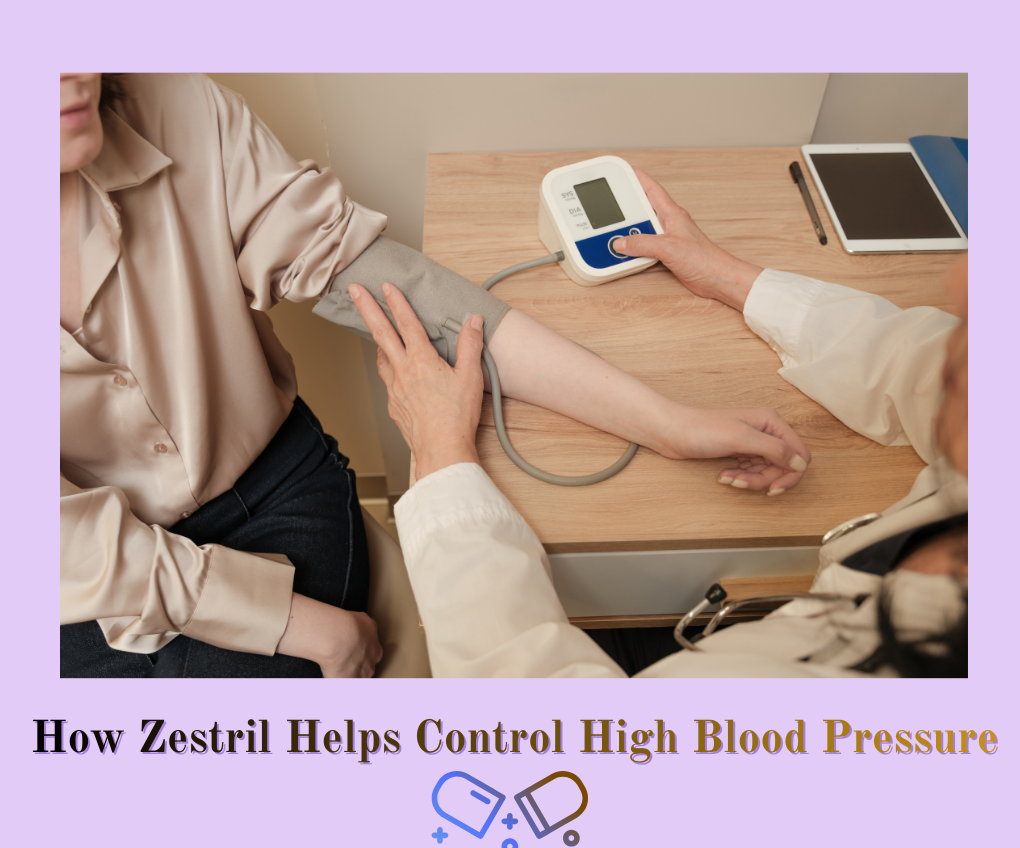
High blood pressure often develops silently, yet it can place constant strain on the heart and blood vessels over time. Managing it early and consistently is key to protecting long-term heart health. Zestril for high blood pressure works by relaxing blood vessels, allowing blood to flow more easily, and reducing pressure on the heart. This helps the heart pump more efficiently with less effort.
Regular use, as prescribed, supports steady blood pressure control and lowers the risk of complications such as heart attack and stroke. Zestril is commonly recommended as part of a long-term treatment plan, alongside healthy lifestyle choices. With proven effectiveness and wide clinical use, Zestril for high blood pressure plays an important role in helping patients maintain balanced and controlled blood pressure levels.
Zestril is the brand name for lisinopril, a widely prescribed medication used to treat high blood pressure and certain heart conditions. It belongs to a class of medicines called ACE inhibitors, which help the body manage blood pressure more effectively. How Zestril works is by blocking the action of an enzyme that causes blood vessels to tighten. When this enzyme is inhibited, blood vessels relax and widen, allowing blood to flow more smoothly. This reduces the pressure inside the arteries and makes it easier for the heart to pump blood. By improving circulation and lowering strain on the heart, Zestril helps protect against long-term complications such as heart attack, stroke, and kidney damage.
Zestril is commonly prescribed to help manage Zestril for high blood pressure by relaxing and widening blood vessels. It works as an ACE inhibitor, blocking the enzyme that causes blood vessels to narrow. When vessels stay relaxed, blood flows more easily, reducing pressure on the artery walls. This helps lower blood pressure in a steady and controlled way. Using Zestril also reduces the workload on the heart, allowing it to pump more efficiently. Over time, this effective blood pressure control helps lower the risk of heart disease, stroke, and kidney-related complications.
The Zestril dosage for hypertension is determined by a healthcare provider based on blood pressure levels, age, kidney function, and overall health. Most patients begin with a low dose taken once daily, which may be gradually adjusted to achieve optimal blood pressure control. Zestril can be taken with or without food, but it should be taken at the same time each day to maintain consistent levels in the body.
Swallow the tablet with water and avoid skipping doses; if a dose is missed, take it as soon as remembered unless it is close to the next scheduled dose. Regular blood pressure monitoring is important while adjusting the Zestril for hypertension. Do not stop or change the dose without consulting your doctor, as sudden changes may affect blood pressure control.
Like most medications, Zestril may cause side effects in some people. Common Zestril side effects include dizziness, headache, cough, or fatigue, especially when starting treatment or adjusting the dose. These effects are usually mild and often improve as the body adapts. In rare cases, more serious side effects such as swelling of the face, lips, or throat, severe dizziness, or changes in kidney function may occur and require immediate medical attention. Patients should inform their doctor about any history of kidney disease, heart conditions, or allergies before starting Zestril. Caution is also advised if taking diuretics, potassium supplements, or other blood pressure medications. Regular blood pressure checks, kidney function tests, and potassium monitoring help ensure Zestril is used safely and effectively over the long term.
When buying Zestril online, it’s important to choose a trusted and licensed online Canadian pharmacy to ensure safety and authenticity. Reputable providers like Canada Pharmacy Pro offer genuine prescription medications sourced through regulated channels and dispensed by qualified pharmacists. Always make sure the pharmacy requires a valid prescription, provides clear contact details, and uses secure payment methods. Purchasing from a reliable source helps ensure you receive authentic Zestril for high blood pressure safely and confidently.
Zestril is a prescription medication commonly used to treat high blood pressure and certain heart-related conditions. Zestril (lisinopril) uses include controlling hypertension, reducing the risk of heart attack and stroke, and improving survival after a heart attack. It is also prescribed to help manage heart failure and to protect kidney function in people with diabetes. By relaxing blood vessels and improving blood flow, Zestril (lisinopril) supports long-term cardiovascular health when taken as directed by a healthcare professional.
Zestril usually begins to lower blood pressure within 1-2 hours after the first dose, with noticeable effects often seen the same day. However, the full blood pressure–lowering benefit may take 2-4 weeks of regular use. During this time, the body gradually adjusts to the medication. Consistent daily dosing is important for optimal results. Your doctor may monitor and adjust the dose based on how your blood pressure responds.
Yes, Zestril can be taken daily for hypertension and is commonly prescribed for long-term blood pressure management. It is usually taken once a day to help maintain consistent blood pressure control. Daily use allows Zestril to work steadily and reduce strain on the heart and blood vessels. It’s important to take it at the same time each day and follow your doctor’s instructions. Regular monitoring helps ensure the medication remains safe and effective over time.
Common side effects of Zestril are usually mild and may occur as your body adjusts to the medication. These can include dizziness or lightheadedness, especially when starting treatment, as well as headache, fatigue, and a persistent dry cough. Some people may also experience low blood pressure or mild digestive discomfort. Most side effects improve with time, but if they persist or worsen, it’s important to consult your healthcare provider.
Yes, Zestril is generally considered safe for long-term use when taken as prescribed and monitored by a healthcare professional. It has been widely used for many years to manage high blood pressure, heart failure, and other cardiovascular conditions. Regular follow-ups help monitor blood pressure, kidney function, and potassium levels to ensure continued safety. Most people tolerate long-term treatment well, and the benefits of controlling blood pressure usually outweigh potential risks.
> Allergy Medications: Types, Uses, Costs & Side Effects
> Xeljanz Cost & Savings Guide: How to Buy Safely Online
> 5 Ways to Lower Your Prescription Drug Prices This Month