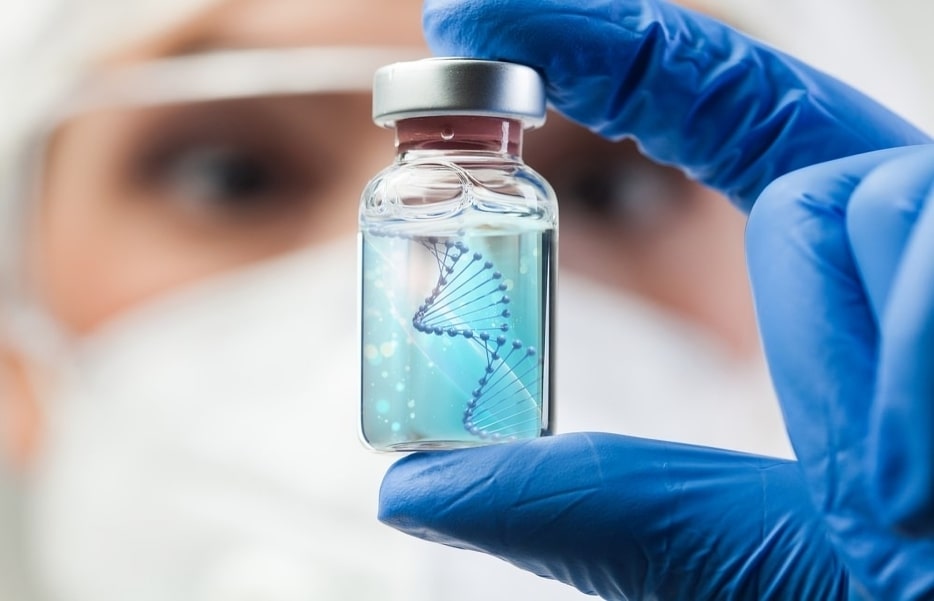
With great promise for the advancement of healthcare, stem cells have become a cutting-edge area of study in healthcare. These special cells have the amazing capacity to change into different kinds of cells, which opens up a variety of possible uses in the treatment of illnesses and the advancement of regenerative medicine.
In this blog, we'll delve into the reasons why stem cells are considered so important and the transformative impact they could have on the landscape of healthcare.
What is a stem cell?

Stem cells are special cells that have the amazing capacity to differentiate into many kinds of body cells. Pluripotent stem cells, such as embryonic stem cells, have the potential to become any cell in the human body.
They function as a fundamental and adaptable building component for the elaboration, restoration, and preservation of tissues and organs. The ability of stem cells to self-renew and differentiate into specialized cell types with unique tasks sets them apart from other types of cells.
Stem Cell Types:

The different types of Stem cells are:
- ESCs, or Embryonic Stem Cells: Develop from embryos, usually when they are in the blastocyst stage. Being pluripotent allows them to differentiate into cells of the endoderm, mesoderm, and ectoderm germ layers, which give rise to distinct bodily tissues and organs. Despite their great potential, embryonic stem cells bring ethical issues because of their source.
- Somatic or Adult Stem Cells: Found in the skin, liver, brain, and bone marrow, among other bodily tissues. They can differentiate into a restricted spectrum of cell types unique to the tissue or organ from which they originate if they are multipotent. When it comes to maintaining and repairing tissues during regular physiological processes or in the wake of an accident, adult stem cells are crucial.
- Induced Pluripotent Stem Cells (iPSCs): Developed by reprogramming adult cells, such as skin cells, to have embryonic stem cell-like properties. IPSCs are pluripotent and can potentially differentiate into various cell types. Their development has offered a way to generate pluripotent stem cells without using embryos, addressing some ethical concerns associated with embryonic stem cells.
What is Stem Cell Therapy and how does it work?

Stem cell therapy also known as Regenerative medicine is a cutting-edge and promising method of treating a range of illnesses and wounds. The basic idea of stem cell therapy is to use stem cells to replace, regenerate, or repair damaged bodily tissues. Because of their extraordinary capacity to differentiate into many cell types, stem cells are used in medicine to promote regenerative medicine.
The few steps involved in Stem cell Therapy are:
- The first step involves obtaining a Collection of Stem Cells. This can be embryonic stem cells from embryos, adult stem cells from tissues like bone marrow or fat, or induced pluripotent stem cells
- The collected stem cells are isolated and cultured in a laboratory setting. This process allows researchers to control the growth and expansion of the stem cell population.
- Stem cells may occasionally be directed to develop into particular cell types required for therapeutic outcomes. Growth factors and alterations of cultural conditions can be used to accomplish this.
- The patient receives stem cells or their differentiated progeny once a significant quantity has been collected.
- The transplanted stem cells show restorative effects after integrating into the host tissue. They could release substances that encourage the body's natural regenerative processes or differentiate into the precise cell types required for tissue repair.
- The advancement of tissue healing and repair is the ultimate objective of stem cell therapy. This may entail immune response modification, the creation of new blood vessels, or the repair of injured cells.
Which is the most likely application of stem cell research?

Currently, some of the most plausible and well-known uses of stem cell research include:
- Tissue Regeneration: Replacing or repairing damaged organs and tissues with stem cells. This can be used to treat ailments like degenerative illnesses, spinal cord injuries, and heart problems.
- Orthopedic repair is the process of restoring damaged joints, cartilage, and bones. It may be used to treat musculoskeletal injuries and osteoarthritis.
- They are addressing conditions such as Parkinson's disease, Alzheimer's disease, and spinal cord injuries. Stem cells may help restore lost neural function and improve quality of life.
- Blood Disorders: Leukaemia, Lymphoma, and other genetic blood disorders are among the blood-related conditions that are treated using hematopoietic stem cells in bone marrow transplants.
- Immunotherapy: Creating immune cells from stem cells for specific cancer treatments is one method of treating cancer. This entails producing immune cells with the ability to target and eradicate cancer cells precisely.
- Recovery of the pancreatic cells that produce insulin. By targeting the underlying cause of diabetes and offering a potential cure or long-term treatment, stem cells may be employed to create pancreatic beta cells.
- Drug Development: Drug testing and screening with stem cells. Stem cells offer a platform for researching the causes of diseases and evaluating the security and effectiveness of novel medications.
What is the limitation of adult stem cell research?

A noteworthy constraint pertains to the differentiation capacity and potency of adult stem cells:
- Restricted Potential for Differentiation: Adult stem cells, sometimes referred to as somatic or tissue-specific stem cells, possess multipotency, which enables them to differentiate into a restricted array of cell types that are particular to the tissue or organ from which they arise. Compared to pluripotent stem cells, such as embryonic stem cells, they are less adaptable. Adult stem cells have limited differentiation potential. On the other hand, pluripotent stem cells can differentiate into any kind of human cell.
- Quantity and Availability: Adult stem cells are few and difficult to obtain, which makes them less useful for several therapeutic purposes. These include transplantation and tissue regeneration, which need high cell counts.
- Age-related decline: The efficiency of adult stem cells in tissue regeneration and repair may be impacted by aging-related alterations in these cells. When treating age-related degenerative disorders, this constraint is especially pertinent.
- Risk of Mutations in DNA: Adult stem cells are susceptible to DNA alterations throughout time, particularly in older adults. When utilized in therapeutic procedures, this may impact their genetic stability and perhaps have negative consequences.
- Limited Adaptability: According to their original tissue, adult stem cells are frequently lineage-restricted, which means that their developmental destiny is predetermined. Adult stem cells' limited flexibility prevents them from differentiating into cell types other than those found in their original tissue. This may provide a problem in applications that call for a wider variety of cell types.
Why are stem cells important?

Here are several reasons why stem cells are considered crucial:
- Stem cells have the remarkable ability to differentiate into various cell types. Pluripotent stem cells, such as embryonic stem cells, can develop into any cell in the human body.
- With the ability to replace or repair damaged tissues and organs, stem cells have significant implications for the treatment of chronic illnesses, trauma, and ailments when the body's capacity for natural regeneration is impaired.
- Chronic and crippling diseases, such as autoimmune diseases, neurological disorders, and cardiovascular abnormalities, may be treated with stem cells.
- Stem cells offer a platform for researching disease causes, evaluating novel medications, and forecasting possible adverse effects. This improves our understanding of diseases and speeds up the drug development process.
- Through the process of stem cell differentiation and specialized cell production, scientists can acquire valuable knowledge about organogenesis, tissue formation, and embryonic development. Understanding birth abnormalities and developmental problems is aided by this knowledge.
- Using a patient's cells as the starting point, induced pluripotent stem cells (iPSCs) can be used to generate that person's unique cell types. This individualized strategy lowers the danger of immunological rejection and allows for customized therapies.
Why is stem cell research controversial?

Concerns Regarding Ethics and Embryonic Stem Cells:
- The source of embryonic stem cells is an embryo, usually obtained from an in vitro fertilization (IVF) facility. Concerns about the origins of human life are brought up by the process of destroying human embryos to obtain embryonic stem cells. Some people argue that embryos have moral status and rights, and using them for research purposes is morally objectionable.
- By enabling the production of pluripotent stem cells without the use of embryos, the discovery of induced pluripotent stem cells (iPSCs) addressed certain ethical issues.
- There are moral concerns regarding the nature of reproduction, identity, and possible abuse when considering the use of cloning to create a genetically identical individual.
- Decisions made by lawmakers and politicians have an impact on stem cell research. Certain types of stem cell research are prohibited or restricted in several countries, which has an effect on financing and advancements in the field.
FAQs:
What is the best stem cell treatment for knees?
The usual stem cell therapies for knees include:
- Injections of Mesenchymal Stem Cells (MSC): Derived from fat tissue or bone marrow. Administered to the knee to reduce inflammation and encourage tissue regeneration.
- Treatment using Platelet-Rich Plasma (PRP): Although not technically a stem cell therapy, platelet-derived pulp (PRP) uses components of the patient's blood, including growth factors, to promote healing.
- Treatment using Adipose-Derived Stem Cells: Stem cells are taken from the patient's subcutaneous fat. Injected into the knee to encourage tissue healing.
How long does it take for stem cell therapy to work?
The duration of time it takes for a patient to benefit from stem cell therapy varies. While some people might see benefits in as little as a few weeks, others might need several months. The kind of treatment, the particular ailment being treated, and individual response variances all have an impact on the timeline.
How long do you stay in isolation after a stem cell transplant?
Generally speaking, patients receiving stem cell transplants—particularly allogeneic transplants—may need to spend several weeks or months in seclusion. This is because immunosuppression throughout the transplant procedure frequently makes a person more prone to infection.
When is a stem cell transplant recommended?
Stem cell transplants are advised for several illnesses, such as myeloma, lymphoma, and leukemia. Certain blood malignancies may be treated with stem cell transplantation. Thalassemia, sickle cell anemia, and severe combined immunodeficiency (SCID), Certain autoimmune diseases, certain metabolic problems are being studied as candidates for stem cell transplant therapy. In cases where organ function is seriously impaired, transplantation may be considered.
Which type of stem cell can differentiate into the most types of cells?
Of all the stem cell types, embryonic stem cells have the most potential for differentiation. Since they are pluripotent, they can differentiate into nearly every form of human cell. One of the main ways that embryonic stem cells are distinct from other types of stem cells, including adult or induced pluripotent stem cells, which have more limited differentiation potential, is due to their remarkable adaptability.
References:
Read Also: