Enjoy FREE shipping on your first order! (Minimum $99 purchase)
Alert: Important Update for US patients - Upcoming U.S. Government changes. Click to read more

Enjoy FREE shipping on your first order! (Minimum $99 purchase)
Alert: Important Update for US patients - Upcoming U.S. Government changes. Click to read more
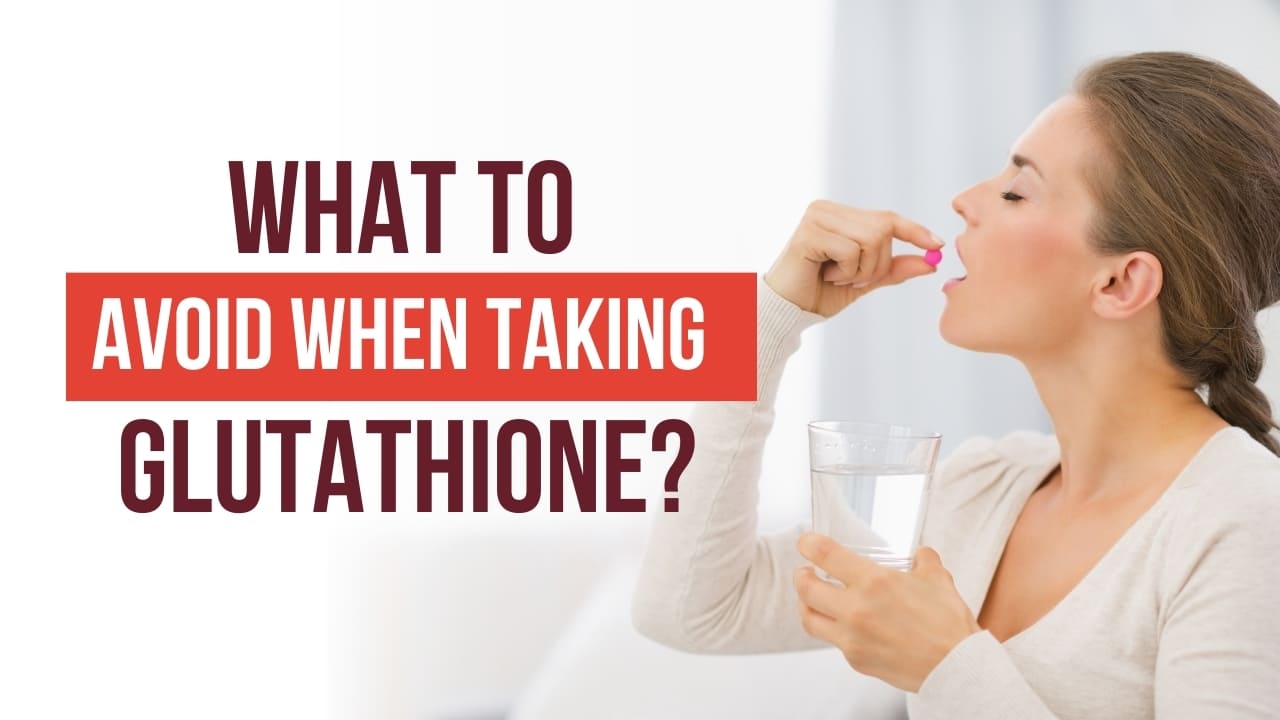
When incorporating glutathione into your supplement regimen, it's important to be mindful of certain factors to support the effectiveness of glutathione in promoting overall health and well-being. Read more to know about What to avoid when taking Glutathione.

Glutathione is a powerful antioxidant naturally produced in the cells of the body. It is composed of three amino acids: glutamine, glycine, and cysteine. Glutathione plays several crucial roles in maintaining overall health and cellular function.

Common side effects of Glutathione can include:
Please consult your healthcare provider before starting any new supplement, as individual reactions can vary. This blog gives a clear understanding of What to avoid when taking Glutathione.

Yes, glutathione is known for its skin-lightening properties. It acts by blocking the enzyme tyrosinase, involved in melanin production. Melanin is a pigment responsible for skin color. By decreasing the production of melanin, glutathione gives a lighter and more even skin tone. A lot of people use glutathione supplements for this purpose, and it has gained popularity in skin care for its potential to improve skin clarity as well as lowering the appearance of dark spots.
Yet, the efficacy and safety of glutathione for skin lightening might differ, and the outcomes might not be similar for every person. It's significant to speak to the concerned dermatologist before starting any glutathione regimen for skin lightening. What to avoid when taking Glutathione is explained further in this blog.

Certain foods consist of glutathione or help increase its production in the body. Asparagus, avocados, and spinach are rich sources of this powerful antioxidant. Cruciferous veggies such as kale, broccoli, cabbage, and Brussels sprouts contribute considerably to glutathione levels because of their sulfur-containing amino acids. Tomatoes and garlic are not only flavorful additions to meals but also improve the production of glutathione in the body.

While taking glutathione, it's significant to avoid certain substances and habits that may hinder its efficacy or give rise to adverse reactions:
Consulting with a healthcare provider before starting glutathione supplementation can provide personalized advice and ensure safe and effective use. At CanadaPharmacyPro, you can understand what to avoid when taking Glutathione.

Glutathione is generally considered safe for most people when taken in appropriate doses. It is a naturally occurring antioxidant in the body, and supplementing with glutathione can provide health benefits, particularly in terms of detoxification, immune support, and skin health.
However, there are some considerations to keep in mind:
Overall, Glutathione is safe for most people when used responsibly. What to avoid when taking Glutathione, Consulting a healthcare professional before starting any new supplement regimen is always recommended to ensure it is appropriate for your specific health needs and conditions.
When a person stops using glutathione, his or her body might slowly return to its baseline levels of this antioxidant. The improved detoxification, immune support, and skin benefits due to glutathione supplementation might be reduced gradually. It's vital to maintain a healthy diet with plenty of glutathione-boosting foods to support your body's natural production.
The best time to use glutathione supplements may differ, but they are usually suggested to be consumed early morning on an empty stomach for optimal absorption. Or, can also be taken at night before bed.
Yes, Glutathione is very beneficial for liver health. It is known to support detoxification processes within the liver by binding to toxins, heavy metals, and other harmful substances, making them easier for the body to eliminate. Hence, supplementation or promoting the body's natural production of glutathione can be particularly beneficial for liver detoxification and protection.
Glutathione itself is not directly associated with weight loss. Its primary roles involve antioxidant defense, detoxification, and supporting overall cellular health rather than influencing metabolic processes directly related to weight loss. Thus, while glutathione is important for various aspects of health, it should not be relied upon as a primary method for weight loss.
Glutathione supplementation is usually considered safe for many individuals when used in appropriate doses. Yet, caution must be exercised: Pregnant or breastfeeding women should avoid glutathione supplements unless directed by a healthcare provider due to limited research on their safety in these groups. People with asthma should avoid inhaled forms of glutathione as it may trigger asthma attacks. So, know What to avoid when taking Glutathione.
> Allergy Medications: Types, Uses, Costs & Side Effects
> Xeljanz Cost & Savings Guide: How to Buy Safely Online
> 5 Ways to Lower Your Prescription Drug Prices This Month