Enjoy FREE shipping on your first order! (Minimum $99 purchase)
Alert: Important Update for US patients - Upcoming U.S. Government changes. Click to read more

Enjoy FREE shipping on your first order! (Minimum $99 purchase)
Alert: Important Update for US patients - Upcoming U.S. Government changes. Click to read more
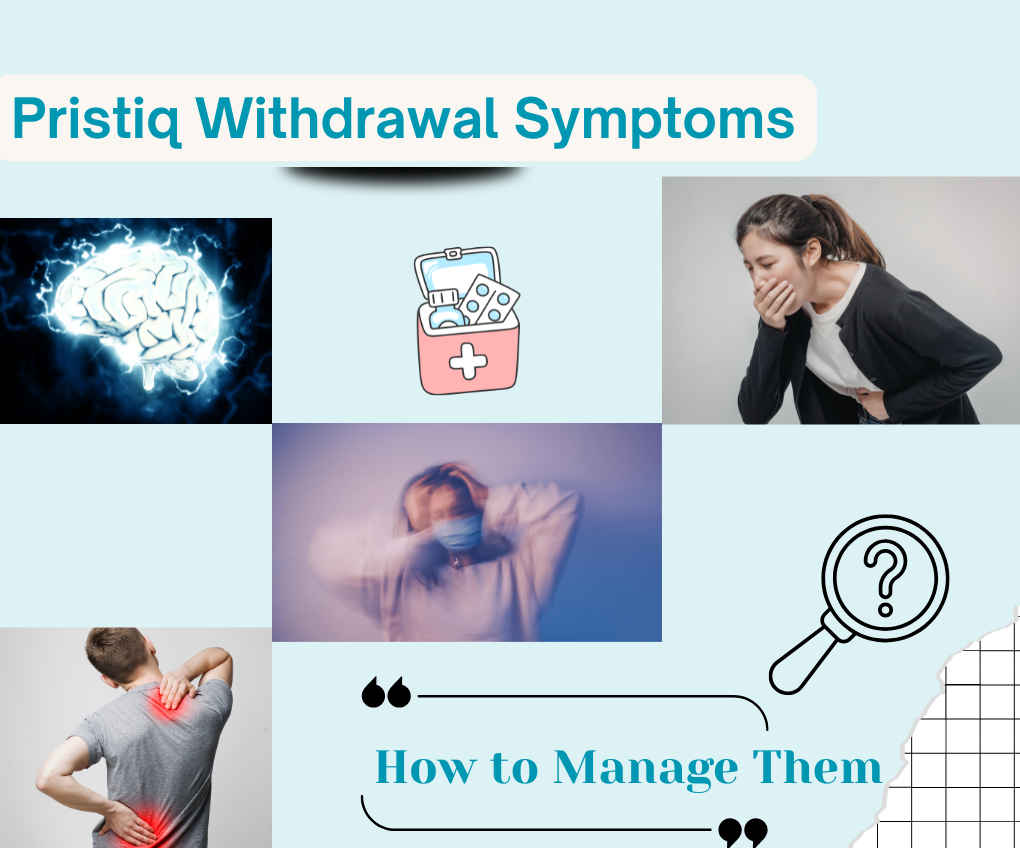
Some people may experience withdrawal symptoms while stopping Pristiq, particularly if the medicine is stopped abruptly. These symptoms, which are frequently called antidepressant discontinuation syndrome, can include headaches, nausea, dizziness, exhaustion, anxiety, and "brain zaps." Although these symptoms are typically transient, they may cause discomfort and interfere with day-to-day activities.
Individual differences occur in the probability and intensity of Pristiq withdrawal symptoms. The experience can be affected by variables like dosage, length of treatment, and how soon the medicine is withdrawn. The shift can go more smoothly if you are aware of the possible symptoms and know how to deal with them. It's important to stop taking Pristiq under medical supervision if you intend to do so.
Desvenlafaxine is a serotonin-norepinephrine reuptake inhibitor (SNRI) antidepressant marketed under the brand name Pristiq. Adults with major depressive disorder (MDD) can use it with FDA approval. If you want to learn more about how the medication works, dosage information, and important considerations, read our complete Pristiq (Desvenlafaxine) guide.
The drug acts by raising the brain's levels of norepinephrine and serotonin. The body adjusts to these changes over time. Withdrawal symptoms may result from the brain needing time to adjust when the medicine is cut back or stopped.
Neurotransmitters that assist in controlling mood, sleep, and other processes are impacted by Pristiq. The brain adapts to the medication's presence during treatment.
Neurotransmitter activity abruptly shifts when the medication is terminated suddenly or tapered down too quickly. Until the brain adjusts to operating without the medicine, this adjustment phase may cause withdrawal symptoms.
The severity of withdrawal symptoms varies from person to person and can be moderate to severe.
Some common signs and symptoms include:
After stopping the medicine, symptoms usually appear a few days later and may eventually get better.
Many people experience withdrawal similarly, despite differences in their experiences. While withdrawal symptoms from Pristiq might vary from person to person, they typically start in the first few days after quitting the drug or drastically lowering the dosage. Brain zaps, headaches, nausea, and dizziness are possible early symptoms. For many people, the first one to two weeks are when withdrawal symptoms become more apparent and may even momentarily peak.
Over the next few weeks, symptoms usually start to get better as the body gradually gets used to not taking the medicine. Many people recover in a few weeks, but other people may have symptoms that last longer, especially if they had been using Pristiq (Desvenlafaxine) for a long time or stopped taking it suddenly.
The severity of desvenlafaxine withdrawal symptoms might vary depending on several factors.
Although it may not always be possible to completely avoid Pristiq withdrawal symptoms, certain strategies may help make the process more manageable.
A healthcare professional may recommend reducing the dose gradually instead of stopping suddenly. A slower taper may help lower the likelihood or severity of discontinuation symptoms and give the body more time to adjust.
Drinking enough fluids and maintaining balanced meals may support overall well-being during the adjustment period.
Following a consistent sleep routine may help manage fatigue, irritability, mood changes, and difficulty concentrating.
Stress may make symptoms feel more difficult to cope with. Relaxation techniques such as breathing exercises, meditation, walking, or gentle physical activity may help some individuals.
Keeping notes about symptom timing, severity, and changes can help identify patterns and provide useful information during follow-up appointments.
Regular follow-up appointments can help monitor progress and determine whether changes to the tapering plan are needed.
Stopping Pristiq abruptly may increase the likelihood of discontinuation symptoms, which can affect daily activities during the adjustment period.
Some people may be more likely to experience withdrawal symptoms than others. Factors that may influence the experience include dosage, how long the medication has been used, individual response, and how quickly the medication is reduced or discontinued.
While many withdrawal symptoms go away on their own, there are specific circumstances that call for medical care. Speak with your physician if you encounter:
If you have thoughts of suicide, self-harm, or symptoms that point to serotonin syndrome, get emergency medical attention right away.
When Pristiq is stopped suddenly or tapered off too rapidly, withdrawal symptoms may manifest. Dizziness, nausea, exhaustion, anxiety, insomnia, and brain zaps are typical symptoms. The severity and duration of symptoms vary among individuals, but a gradual tapering plan can often help minimize discomfort. The best method to properly manage withdrawal and lower the chance of problems throughout the discontinuation process is to collaborate closely with a healthcare specialist.
Dizziness, nausea, headaches, exhaustion, anxiety, irritability, sleep difficulties, trouble concentrating, and brain zaps are common signs of Pristiq withdrawal. The degree of these symptoms varies from person to person and may be influenced by things including dosage, length of therapy, and the speed at which the medicine is withdrawn.
After discontinuing Pristiq, withdrawal symptoms frequently start a few days later and may peak in the first one to two weeks. Over the next few weeks, many people experience a progressive improvement in their symptoms. However, the length of time can differ based on personal circumstances, and some people may have persistent symptoms for a longer amount of time.
Generally, stopping Pristiq abruptly is not advised unless a healthcare professional directly instructs you to do so. The likelihood and severity of withdrawal symptoms may be increased by abrupt cessation. To assist the body in acclimating safely, a progressive tapering strategy is typically advised.
Pristiq withdrawal can be difficult and inconvenient, although it is usually not fatal. Suicidal thoughts, deepening sadness, or extreme mood swings are symptoms that need to be treated right away. If withdrawal symptoms become difficult to control or interfere with day-to-day activities, get in touch with your healthcare professional.
Yes, during Pristiq withdrawal, some people may feel more anxious, tense, or have panic-like symptoms. As the brain adapts to variations in serotonin and norepinephrine levels, these symptoms manifest. Seek advice from your healthcare provider if anxiety worsens or persists.
Instead of suddenly quitting the medicine, adhering to a healthcare provider's tapering plan is the best method to reduce withdrawal symptoms. Maintaining a normal sleep schedule, controlling stress, drinking plenty of water, and going to follow-up appointments could all help ease the adjustment.
> Allergy Medications: Types, Uses, Costs & Side Effects
> Xeljanz Cost & Savings Guide: How to Buy Safely Online
> 5 Ways to Lower Your Prescription Drug Prices This Month