Enjoy FREE shipping on your first order! (Minimum $99 purchase)
Alert: Important Update for US patients - Upcoming U.S. Government changes. Click to read more

Enjoy FREE shipping on your first order! (Minimum $99 purchase)
Alert: Important Update for US patients - Upcoming U.S. Government changes. Click to read more
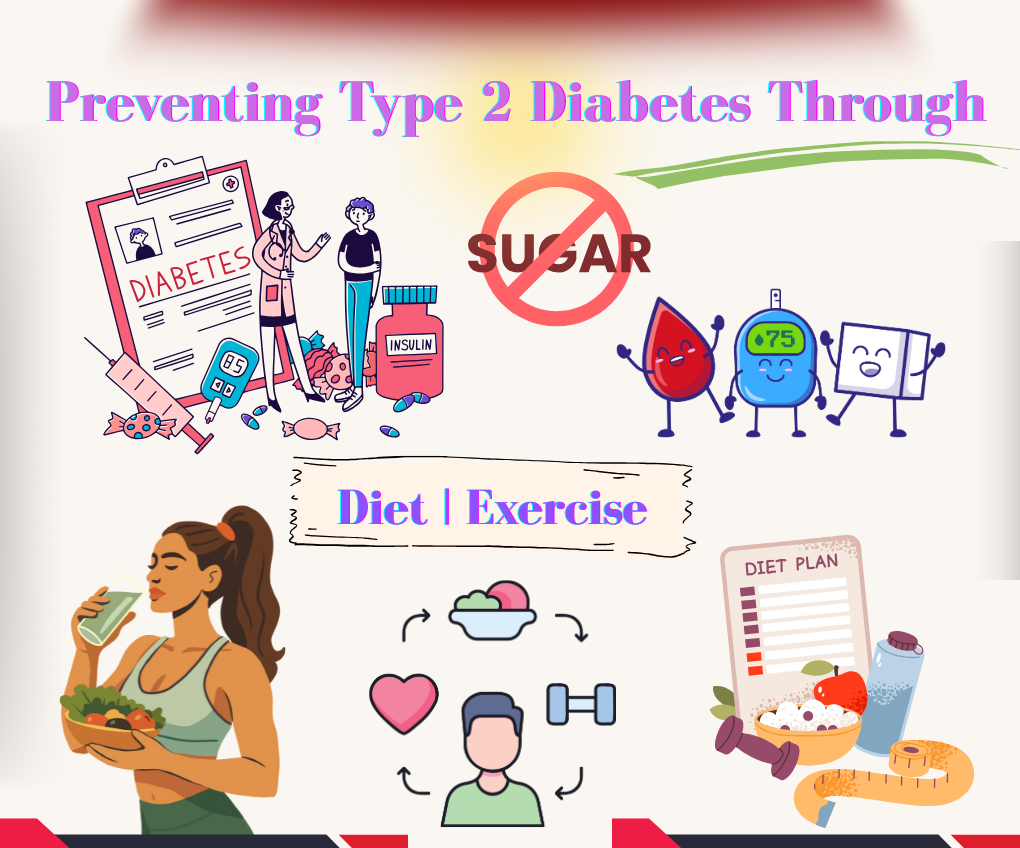
Preventing Type 2 Diabetes is more important today than ever before, as the number of people affected continues to rise globally. The good news is that this condition is largely preventable through simple lifestyle changes. By focusing on balanced nutrition and regular physical activity, you can take meaningful steps toward maintaining long-term health.
Type 2 Diabetes starts with understanding how daily habits—like the foods you eat and the time you spend being active—impact your blood sugar levels. Small adjustments, such as choosing whole grains over refined carbs and walking for 30 minutes a day, can significantly reduce your risk.
Type 2 Diabetes doesn’t develop overnight—it’s the result of years of gradual changes in metabolism, diet, and activity. That’s why awareness and consistency are key. With the right approach, Diabetes Prevention becomes a sustainable goal, helping you feel more energetic and in control of your health. Taking charge today means protecting your future tomorrow.
Type 2 Diabetes begins with understanding its root causes. This condition develops when the body becomes resistant to insulin or doesn’t produce enough of it, leading to poor Blood Sugar Control. Factors such as unhealthy eating habits, physical inactivity, excess body weight—especially around the abdomen—and family history all play a major role.
Chronic stress, poor sleep, and a sedentary lifestyle can further worsen insulin resistance over time. By maintaining Blood Sugar Control through a balanced diet and regular exercise, you can take essential steps toward Preventing Type 2 Diabetes and supporting long-term metabolic health.
A Healthy Diet plays a crucial role in maintaining stable blood sugar and insulin levels. Choosing whole grains, lean proteins, fiber-rich vegetables, and healthy fats helps slow glucose absorption, prevent spikes, and support better insulin sensitivity. On the other hand, refined carbs, sugary drinks, and highly processed foods can lead to insulin resistance over time, increasing the risk of Type 2 Diabetes.
Including antioxidant-rich foods like berries, leafy greens, and nuts can reduce inflammation and improve metabolic health. Portion control and balanced meals spread throughout the day help prevent large fluctuations in blood sugar. Additionally, pairing carbohydrates with protein or healthy fats further slows digestion and reduces glucose surges.
By focusing on a Healthy Diet, staying hydrated, and avoiding excess sugar and processed foods, you can maintain better metabolic balance, support weight management, and significantly reduce the risk of developing Type 2 Diabetes. Small, consistent changes in your eating habits can have a long-term impact on your overall health and well-being.
Incorporating nutrient-rich foods is key to preventing Type 2 Diabetes and maintaining balanced blood sugar levels.
At Canada Pharmacy Pro, we believe in supporting your wellness with quality medications and supplements that complement these lifestyle changes — helping you stay consistent in your diabetes prevention journey.
Regular physical activity plays a vital role in Type 2 Diabetes by improving how your body uses insulin and manages glucose. Engaging in Exercise for Diabetes—such as brisk walking, cycling, swimming, or strength training—helps lower blood sugar levels and boost metabolism. Even 30 minutes of moderate exercise five days a week can make a remarkable difference. Staying active also reduces stress, supports weight management, and improves overall cardiovascular health, making it one of the most effective lifestyle tools for long-term diabetes prevention.
Maintaining a healthy weight plays a vital role in managing and preventing Type 2 Diabetes. Excess body fat, particularly around the abdomen, can make the body more resistant to insulin, leading to elevated blood sugar levels. Even a modest weight loss of 5–10% can greatly improve insulin sensitivity and glucose control. A balanced diet combined with regular physical activity helps sustain healthy weight management. By focusing on lifestyle balance, individuals can effectively support blood sugar stability and lower their risk of both Type 2 Diabetes and related heart complications.
Here are some simple Diabetes Tips and lifestyle habits that help in Preventing Type 2 Diabetes:
Yes, Type 2 Diabetes can often be prevented through consistent lifestyle changes. A healthy diet rich in whole grains, fruits, vegetables, and lean proteins helps maintain stable blood sugar levels. Regular exercise improves insulin sensitivity and supports weight management. Together, these habits significantly reduce the risk of developing diabetes.
The best diet to prevent Type 2 Diabetes focuses on whole, minimally processed foods. Include plenty of fruits, vegetables, whole grains, lean proteins, and healthy fats, while limiting refined carbs, sugary drinks, and processed snacks. This approach helps maintain stable blood sugar, supports weight management, and reduces the risk of developing diabetes.
To help prevent diabetes, aim for at least 150 minutes of moderate-intensity exercise or 75 minutes of vigorous exercise per week. Activities such as brisk walking, cycling, swimming, or strength training can improve insulin sensitivity and support healthy blood sugar levels. Consistency is key, so spreading exercise across the week is most effective.
Yes, foods high in refined sugars, white flour, and processed carbohydrates can spike blood sugar levels and increase the risk of Type 2 Diabetes. Frequent consumption of sugary drinks, sweets, and heavily processed snacks may contribute to insulin resistance over time. Choosing whole, fiber-rich foods helps maintain stable blood sugar levels and reduces the risk of diabetes.
Early signs of prediabetes can be subtle and often go unnoticed. Common indicators include increased thirst, frequent urination, fatigue, blurred vision, and slow-healing cuts or infections. Some people may also experience darkened patches of skin, usually on the neck, elbows, or armpits (a condition called acanthosis nigricans). Regular blood sugar testing is the most reliable way to detect prediabetes early.
Absolutely. Losing just 5–10% of body weight can significantly lower your blood sugar levels.
Chronic stress raises cortisol, which can increase blood sugar and insulin resistance.
No. Focus on complex carbs like oats, quinoa, and brown rice, which release energy slowly and maintain stable glucose levels.
Try high-protein, fiber-rich options like oatmeal with nuts, Greek yogurt, or eggs with vegetables.
Yes, genetics play a role—but lifestyle changes like healthy eating and staying active can greatly reduce your risk.
> Allergy Medications: Types, Uses, Costs & Side Effects
> Xeljanz Cost & Savings Guide: How to Buy Safely Online
> 5 Ways to Lower Your Prescription Drug Prices This Month