Enjoy FREE shipping on your first order! (Minimum $99 purchase)
Alert: Important Update for US patients - Upcoming U.S. Government changes. Click to read more

Enjoy FREE shipping on your first order! (Minimum $99 purchase)
Alert: Important Update for US patients - Upcoming U.S. Government changes. Click to read more
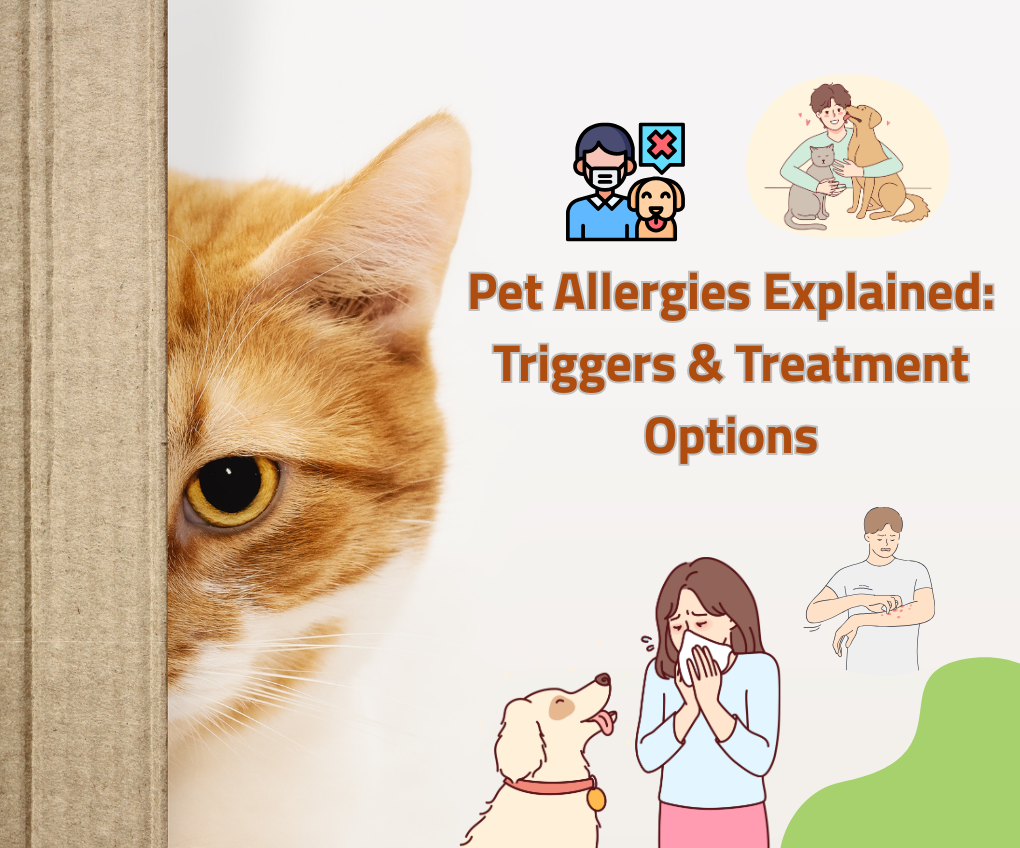
Pet allergies happen when your immune system mistakenly identifies harmless animal proteins—often from their fur, spit, or waste—as a threat and launches a defense response. The most common culprits are cats and dogs, though any furry pet can trigger symptoms. These allergens can become airborne or settle on furniture, clothing, or carpets, making them hard to avoid. Pet dander (tiny skin flakes), dried saliva, and even pet hair can all carry allergens. To minimize contact with allergens, consider consistent pet grooming, keeping living spaces clean, and using air purifiers to filter the air. Managing exposure through regular cleaning, grooming, and using the air filters can help. For relief from symptoms, pet allergy medicine such as antihistamines, nasal sprays, or decongestants can be effective. In severe cases, avoiding furry pets or consulting an allergist may be necessary.
The most common pet allergies are triggered by proteins found in the dander, saliva, and urine of furry animals like cats, dogs, rabbits, and rodents. Among these, cat allergies are particularly common due to a sticky protein in cat saliva called Fel d 1. Dog allergies are also widespread, though individual reactions may vary depending on the breed. To manage symptoms, many people turn to OTC allergy medication such as antihistamines, decongestants, or nasal sprays. Reducing exposure through frequent cleaning, air filters, and keeping pets out of bedrooms can also help.
While no pet is truly 100% hypoallergenic, some animals are less likely to trigger allergic reactions. These pets typically produce fewer allergens or shed less dander. Breeds like poodles, bichon frises, and sphynx cats are often considered more allergy-friendly. Hairless pets, reptiles, and fish are also good options for people with allergies. It’s important to remember that all furry animals produce allergens through their skin, saliva, and urine, not just their hair. Regular grooming, cleaning, and limiting pet access to certain areas can help reduce allergen exposure.
If symptoms still occur, the best allergy medicine for pet allergies often includes OTC antihistamines, decongestants, or prescription nasal sprays. For long-term relief, allergy shots (also known as immunotherapy) may be considered. Always consult a doctor to find the most suitable treatment.
When exposed to pet dander, saliva, or urine, the immune system may trigger pet allergy symptoms that can show up immediately or develop slowly over time.
For some individuals, symptoms intensify the longer they stay around pets or in poorly ventilated areas. Identifying and managing pet allergy symptoms early can help prevent complications. Over-the-counter allergy medications and allergist consultation can provide effective relief.
Diagnosing allergies typically begins with a review of your symptoms, medical history, and exposure to animals. If you experience consistent sneezing, congestion, or asthma-like symptoms around pets, an allergy may be the cause.
Accurate diagnosis helps identify the exact trigger, whether it's dander, saliva, or urine proteins. Understanding your specific triggers and response patterns is crucial to effectively managing allergies. Once diagnosed, your doctor may suggest lifestyle changes and the prescription of allergy medication based on severity.
Pet allergies can't usually be completely cured, but they can be effectively managed. Over time, some people may experience reduced sensitivity, especially with consistent treatment and exposure control. However, for most, allergies tend to persist.
Choosing the best prescription allergy medication depends on your symptoms, age, medical history, and how often you're exposed to pets. Here's a guide to help you decide:
Pet allergies can last as long as you're exposed to the allergens, typically pet dander, saliva, or urine. Symptoms may persist continuously in homes with pets or flare up shortly after contact. Allergy-triggering particles from pets can cling to fabrics and surfaces, staying in your home environment long after the animal is gone. With proper cleaning and treatment, symptoms can improve significantly over time.
Yes, pet allergies can cause fatigue. Constant sneezing, nasal congestion, and poor sleep due to allergy symptoms can leave you feeling tired. Your immune system also works overtime during allergic reactions, which can contribute to overall fatigue. Managing symptoms with allergy medicine and reducing exposure can help restore your energy.
Pet allergies trigger your immune system to overreact to harmless proteins in pet dander, saliva, or urine. This leads to inflammation in your nose, eyes, lungs, or skin, causing symptoms like sneezing, congestion, itchy eyes, rashes, or asthma flare-ups. In some cases, prolonged exposure may worsen respiratory issues or fatigue. Managing exposure and using proper treatment can ease these effects.
Yes, some pet breeds are considered more hypoallergenic because they produce fewer allergens or shed less dander. Dog breeds like the Poodle, Maltese, Bichon Frise, and Portuguese Water Dog are often favored by those with allergies due to their low-shedding coats. Among cats, the Sphynx and Balinese are often better tolerated. However, no breed is completely allergen-free—managing exposure remains important.
Yes, pet allergies can develop at any age—even if you've lived around animals for years without problems. Changes in your immune system, increased exposure, or genetic predisposition can trigger allergies later in life. Allergic reactions can begin with subtle symptoms and gradually become more severe with continued exposure. If you notice consistent reactions around pets, it’s best to consult a doctor for proper testing.
To reduce pet allergens at home, vacuum regularly using a HEPA filter and clean surfaces to remove dander. Bathe and groom your pet often to minimize shedding. To reduce allergens indoors, limit pet access to bedrooms, avoid fabric-covered furniture, clean soft furnishings regularly, and use HEPA air purifiers.
Yes, individuals with pet allergies can often live comfortably with pets by taking steps to control their environment and treat their symptoms. Strategies include keeping pets out of bedrooms, using HEPA filters, cleaning frequently, and bathing pets regularly. Taking allergy medications or receiving allergy shots can also help. Working with an allergist can help you design a targeted strategy tailored to your specific triggers and lifestyle.
The best medications for pet allergies include antihistamines like cetirizine (Zyrtec), loratadine (Claritin), and fexofenadine (Allegra) to relieve sneezing and itching. Nasal corticosteroids such as fluticasone (Flonase) help reduce nasal inflammation. Decongestants can ease stuffy nose symptoms short term. For long-term relief, allergy shots (immunotherapy) may be recommended. It’s essential to speak with a healthcare provider to determine the most appropriate treatment options for your condition.
Pet allergies usually can't be cured permanently, but symptoms can be significantly reduced. Allergy shots (immunotherapy) may offer long-term relief by gradually desensitizing your immune system to pet allergens. While this doesn't work for everyone, it can greatly improve tolerance. Most people manage symptoms effectively with medication and lifestyle changes.
Yes, pet allergies can cause skin problems such as itchiness, hives, eczema, or rashes, especially after direct contact with pet saliva or dander. In sensitive individuals, the skin may become red, dry, or irritated. These reactions are part of the body's immune response to allergens. Using moisturizers, avoiding contact, and taking antihistamines can help relieve symptoms.
> Allergy Medications: Types, Uses, Costs & Side Effects
> Xeljanz Cost & Savings Guide: How to Buy Safely Online
> 5 Ways to Lower Your Prescription Drug Prices This Month