Enjoy FREE shipping on your first order! (Minimum $99 purchase)
Alert: Important Update for US patients - Upcoming U.S. Government changes. Click to read more

Enjoy FREE shipping on your first order! (Minimum $99 purchase)
Alert: Important Update for US patients - Upcoming U.S. Government changes. Click to read more
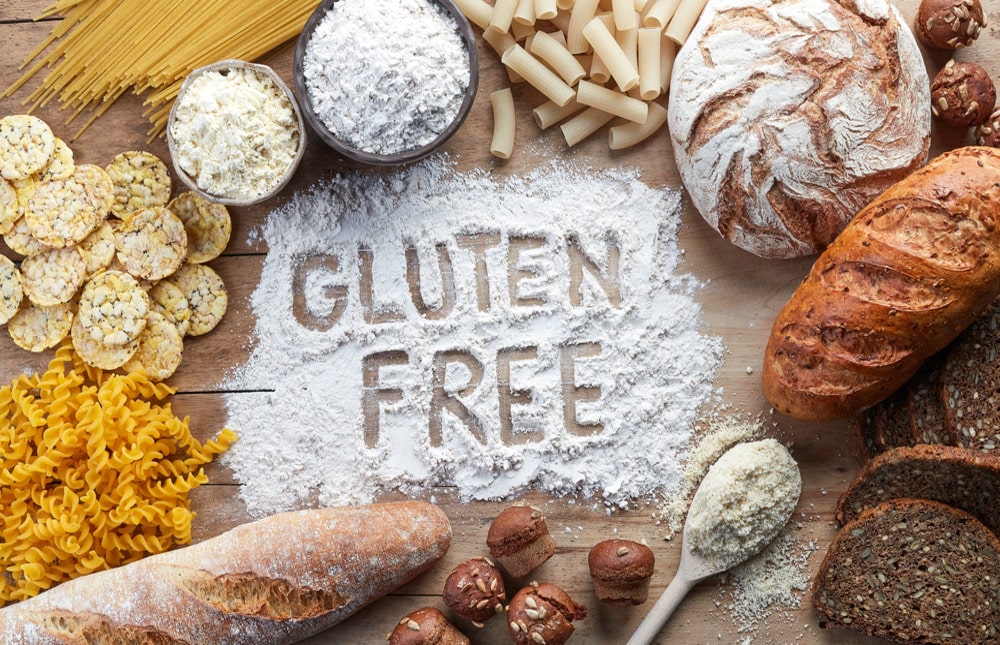
Is a Gluten-Free Diet Healthy? This question has sparked significant debate and curiosity in recent years, with many individuals opting to eliminate gluten from their diets. Gluten, a protein found in wheat, barley, and rye, has gained notoriety due to concerns about its potential health effects.
Some advocate for a gluten-free lifestyle, attributing it to weight loss, improved digestion, and enhanced overall well-being. Yet, the question remains: is a gluten-free diet truly a healthier choice for everyone, or is it just a dietary trend with mixed outcomes?

A gluten-free diet often adopted due to conditions like celiac disease, wheat allergies, or gluten sensitivity, involves the complete avoidance of gluten, a protein found in grains like wheat, barley, and rye. Managing these conditions may necessitate asking, "Is a gluten-free diet healthy?" For individuals with celiac disease, an autoimmune disorder triggered by gluten ingestion that damages the small intestine, a gluten-free diet is essential for managing symptoms and preventing complications.
Similarly, those with gluten sensitivity or wheat allergies find relief by adhering to a gluten-free lifestyle. The question of "Is a gluten-free diet healthy?" arises concerning its nutritional adequacy. While eliminating gluten is crucial, it's essential to maintain balanced nutrition.
Thus, a gluten-free diet emphasizes naturally gluten-free foods like fruits, vegetables, meats, fish, dairy, and certified gluten-free grains such as quinoa, rice, and corn. Achieving optimal health on a gluten-free diet involves careful label reading and a focus on diverse, nutrient-rich food choices.

Starting a gluten-free diet might seem daunting, but it's manageable with these steps:

On a gluten-free diet, focus on naturally gluten-free foods and seek out gluten-free alternatives to common wheat-based products. Here's a list of foods to include:

On a gluten-free diet, it's crucial to avoid foods containing gluten and be vigilant about potential sources of hidden gluten. Here's a list of items to avoid:

A gluten-free diet has gained popularity in recent years, with many questioning, "Is a gluten-free diet healthy?" For individuals diagnosed with conditions like celiac disease, gluten sensitivity, or wheat allergies, eliminating gluten is crucial. While necessary for some, there's debate about its overall healthiness. Those embracing this diet must consider nutritional implications.
"Is a gluten-free diet healthy?" revolves around the potential nutrient deficiencies from eliminating gluten-containing whole grains like wheat, barley, and rye. A balanced diet requires a focus on naturally gluten-free foods like fruits, vegetables, lean proteins, and certified gluten-free grains. Achieving optimal nutrition while adhering to a gluten-free lifestyle depends on careful planning and possibly consulting a healthcare professional or registered dietitian.
Sometimes, a gluten-free diet might lead to a reliance on processed gluten-free products that can be high in sugars, unhealthy fats, and additives, making them less nutritious than their gluten-containing counterparts. It's crucial to focus on naturally gluten-free foods like fruits, vegetables, lean proteins, and gluten-free whole grains to maintain a balanced and nutritious diet.
Ultimately, the key to a healthy diet, whether gluten-free or not, lies in consuming a variety of nutrient-dense foods, avoiding excessive processed foods, and meeting individual nutritional needs. Consulting a healthcare professional or registered dietitian can provide personalized guidance on adopting a gluten-free diet while ensuring proper nutrition and overall health.
Yes, Diet Coke is considered gluten-free. The ingredients in Diet Coke, including carbonated water, caramel color, natural flavors, phosphoric acid, citric acid, and artificial sweeteners like aspartame or sucralose, do not contain gluten. However, some individuals with gluten sensitivities might experience adverse reactions to certain artificial sweeteners or other ingredients in Diet Coke, not necessarily due to gluten content.
Yes, eggs are naturally gluten-free and are an excellent addition to a gluten-free diet. Eggs, in their pure form, contain no gluten. They're a versatile and nutritious food, rich in protein, vitamins, and minerals, making them a great choice for those following a gluten-free lifestyle. However, when eggs are used in prepared or processed foods, it's essential to check the labels for any added ingredients containing gluten, as some egg-containing products may have added fillers or flavorings that could contain gluten.
Losing weight on a gluten-free diet is possible but not guaranteed. While eliminating gluten may lead to cutting out processed foods and choosing healthier options like fruits, vegetables, and lean proteins, weight loss primarily depends on overall calorie intake and food choices. Some gluten-free products can be higher in sugars and fats, potentially hindering weight loss efforts. To effectively lose weight on a gluten-free diet, focus on balanced meals, portion control, and incorporating exercise.
Yes, the paleo diet is inherently gluten-free. It emphasizes whole, unprocessed foods such as lean meats, fish, fruits, vegetables, nuts, and seeds while excluding grains, including gluten-containing ones like wheat, barley, and rye. The paleo diet's focus on natural, gluten-free foods aligns with the elimination of grains, making it inherently free of gluten.
Yes, the keto diet can be gluten-free. While the primary focus of the ketogenic diet is on high-fat, low-carbohydrate foods that typically exclude gluten-containing grains, it's crucial to consider the question, "Is a gluten-free diet healthy?" There's a need to remain mindful of potential hidden sources of gluten in certain processed or snack foods aligned with the keto diet. However, the keto diet can potentially align with a gluten-free lifestyle by emphasizing natural, gluten-free options like meats, fish, low-carb vegetables, and healthy fats.
> Allergy Medications: Types, Uses, Costs & Side Effects
> Xeljanz Cost & Savings Guide: How to Buy Safely Online
> 5 Ways to Lower Your Prescription Drug Prices This Month