Enjoy FREE shipping on your first order! (Minimum $99 purchase)
Alert: Important Update for US patients - Upcoming U.S. Government changes. Click to read more
Enjoy FREE shipping on your first order! (Minimum $99 purchase)
Alert: Important Update for US patients - Upcoming U.S. Government changes. Click to read more
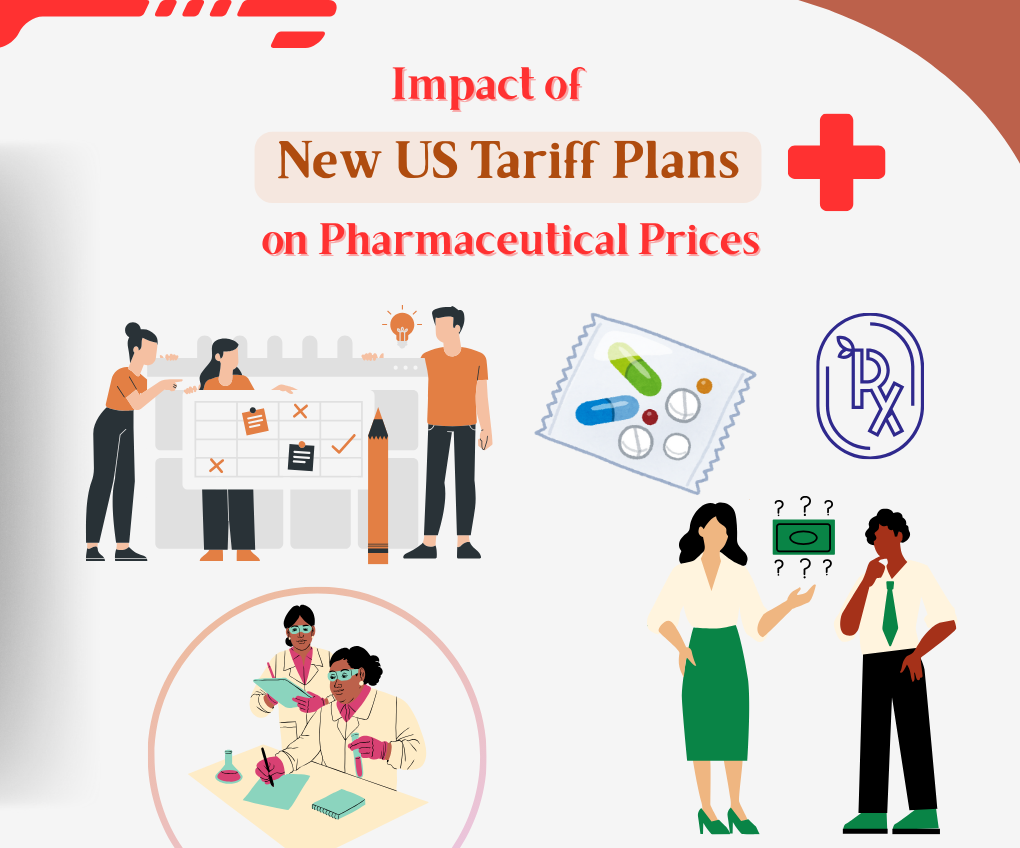
New US tariff plans targeting imported medicines and raw materials are expected to drive up drug prices and disrupt supply chains. This blog explores the potential impact on patients, pharmacies, and the healthcare system.
The announcement of new US pharmaceutical tariffs has raised significant concerns across the healthcare industry. These tariffs, aimed at imported medicines and raw materials, are expected to contribute to drug price increases for both consumers and healthcare providers. Pharmaceutical companies rely heavily on global supply chains for active ingredients and finished products, and any disruption in this flow can directly affect production costs. Higher manufacturing expenses often translate into elevated retail prices, making essential medicines less affordable.
Experts warn that the impact may be particularly severe for specialty drugs and life-saving treatments, where substitutes are limited. Additionally, smaller pharmaceutical firms could face financial strain as they absorb higher import duties. These changes may also influence insurance premiums, reimbursement rates, and overall healthcare spending in the US. Stakeholders, from policymakers to patient advocacy groups, are calling for strategies to balance trade policy goals with public health priorities. The evolving situation underscores the delicate relationship between trade regulations and access to affordable medications.
The introduction of US pharmaceutical tariffs could significantly reshape the economics of medicine imports. Many US drug manufacturers depend on imported active pharmaceutical ingredients (APIs) and finished formulations from global suppliers. With tariffs in place, medicine import costs are likely to rise as importers pass on added expenses to wholesalers, pharmacies, and ultimately patients.
Even small percentage increases in tariffs can lead to substantial cost escalations, especially for high-demand or specialized medications. This price pressure may be further compounded by supply chain disruptions, currency fluctuations, and limited alternative sourcing options. Over time, rising import costs could contribute to broader drug price inflation, affecting both everyday prescriptions and critical life-saving medicines.
The impact of US pharmaceutical tariffs on generic vs brand medicine prices could vary widely. Generic medicines, often imported in bulk from cost-efficient manufacturing hubs overseas, may face sharper price increases if tariffs significantly raise production and import expenses. Since generics are typically chosen for their affordability, even moderate cost hikes could reduce their competitive edge, potentially pushing patients toward higher-priced alternatives. On the other hand, brand-name medicines—many of which already carry premium pricing—might experience smaller percentage increases, but the absolute price jump could still be substantial for consumers. Limited competition in certain therapeutic areas could further amplify these effects. As a result, tariffs could alter prescribing patterns, pharmacy stocking decisions, and patient access to affordable treatment options.
The impact of US tariffs on medicine prices is expected to ripple through every level of the healthcare ecosystem. For patients, higher drug costs could mean reduced access to essential treatments, delayed care, or increased out-of-pocket expenses. Pharmacies may face tighter margins as they absorb higher procurement costs, leading some to limit inventory or prioritize higher-margin products. Healthcare providers could also see treatment adherence decline as patients struggle with affordability, ultimately affecting health outcomes. For healthcare systems, rising medicine costs can inflate overall budgets, strain insurance coverage models, and increase reimbursement pressures. In the long term, these shifts could exacerbate inequalities in access to care, particularly for vulnerable populations relying on cost-sensitive medications.
With US pharmaceutical tariffs driving up drug costs, patients and healthcare providers can take proactive steps to manage expenses. Comparing prices across multiple pharmacies—both local and online—can uncover better deals. Utilizing manufacturer coupons, patient assistance programs, or generic alternatives (where available) can significantly reduce costs. Physicians can also consider therapeutic substitutions or bulk prescription options to lower per-dose expenses. For chronic medications, mail-order pharmacies often offer competitive pricing and extended supplies. On a larger scale, advocacy for policy reforms, transparent pricing, and supply chain diversification can help stabilize medicine costs in the long term. By combining individual cost-saving habits with systemic solutions, patients and healthcare systems can better weather the impact of rising drug prices.
New US pharmaceutical tariffs are being applied as part of broader trade policies aimed at reducing dependence on foreign manufacturing and protecting domestic industries. Policymakers argue that tariffs can encourage local production of medicines and active pharmaceutical ingredients (APIs), strengthening supply chain security. They are also positioned as a response to trade imbalances with key exporting countries. However, critics warn that such measures could unintentionally drive drug price increases and limit access to affordable treatments.
Medicine prices may not rise immediately after tariffs take effect, but the impact could appear within weeks or months. Existing inventory and pre-tariff supply contracts may temporarily buffer price hikes. However, as new imports with higher medicine import costs enter the supply chain, pharmacies and distributors are likely to adjust retail prices. The speed of increase will depend on factors like stock levels, demand for specific drugs, and the availability of alternative suppliers.
Medicines most affected by US pharmaceutical tariffs are likely to be those heavily dependent on imports for either finished products or active pharmaceutical ingredients (APIs). This includes many generic drugs manufactured in cost-efficient hubs like India and China, certain specialty medicines with limited global production sites, and over-the-counter (OTC) medications sourced internationally. High-demand treatments for chronic conditions—such as antibiotics, diabetes drugs, and cardiovascular medicines—could see sharper medicine price increases if alternative domestic production is limited. Brand-name drugs with unique patents may also be affected, but generics and widely used essential medicines could face the steepest cost pressures.
If tariffs lead to higher medicine prices, patients can use several strategies to reduce costs. Switching to generic alternatives where available can offer significant savings. Comparing prices across different pharmacies—both in-store and online—can reveal more affordable options. Manufacturer coupons, patient assistance programs, and pharmacy discount cards can also lower expenses. For long-term prescriptions, mail-order services often provide bulk discounts. Additionally, discussing therapeutic substitutions or lower-cost treatment plans with healthcare providers can help patients manage rising medication costs without compromising care.
Tariffs are not necessarily permanent—they are subject to change based on trade negotiations, economic conditions, and policy priorities. Governments can adjust, suspend, or remove tariffs if they determine the measures are harming public health, driving excessive medicine price increases, or impacting supply chains. Likewise, tariffs may be expanded if policymakers see them as effective in boosting domestic production. Regular policy reviews, lobbying from healthcare stakeholders, and shifts in international trade relations will influence how long these tariffs remain in place.
> Allergy Medications: Types, Uses, Costs & Side Effects
> Xeljanz Cost & Savings Guide: How to Buy Safely Online
> 5 Ways to Lower Your Prescription Drug Prices This Month