Enjoy FREE shipping on your first order! (Minimum $99 purchase)
Alert: Important Update for US patients - Upcoming U.S. Government changes. Click to read more
Enjoy FREE shipping on your first order! (Minimum $99 purchase)
Alert: Important Update for US patients - Upcoming U.S. Government changes. Click to read more
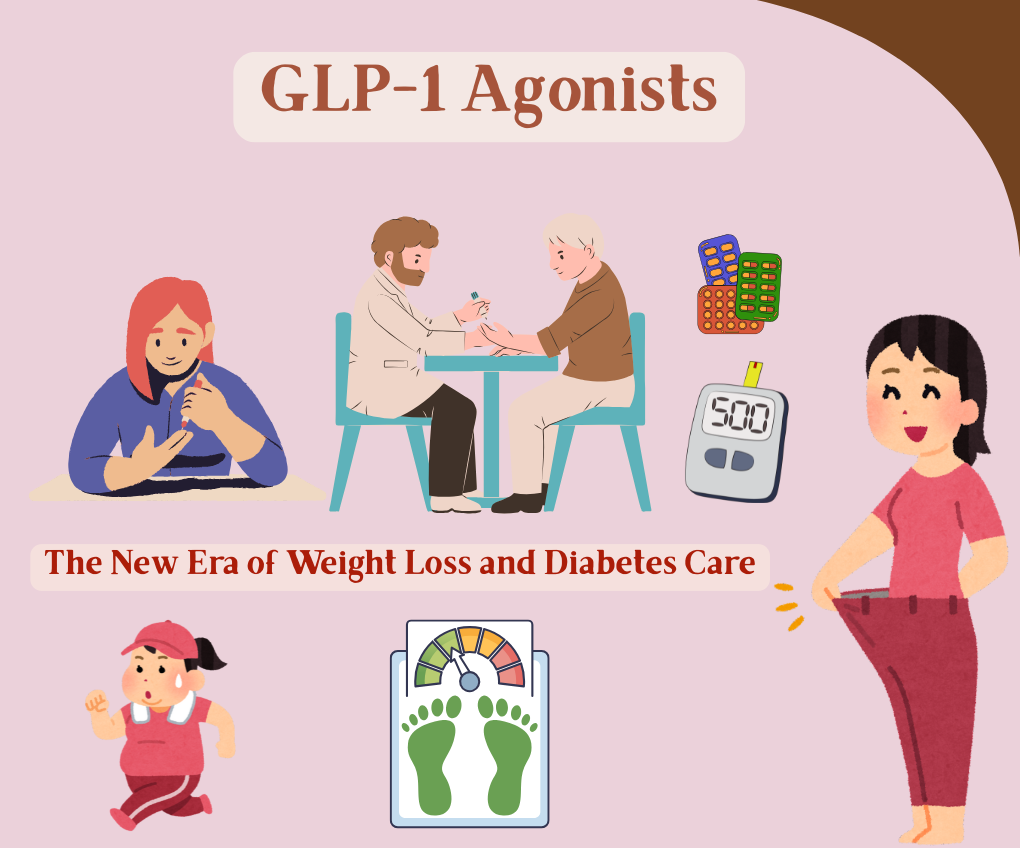
GLP-1 Agonists have recently gained attention as a revolutionary type of medication, transforming the landscape of weight loss and diabetes care. These drugs, originally developed for managing Type 2 diabetes, have shown remarkable effectiveness in promoting weight loss, improving blood sugar control, and reducing cardiovascular risks. GLP-1 weight loss drugs work by mimicking a hormone called glucagon-like peptide-1, which plays a vital role in regulating insulin secretion, reducing appetite, and slowing gastric emptying. With their dual benefits in managing both diabetes and obesity, these are now considered a game-changer in managing chronic conditions. These medications are providing new hope for those struggling with weight management and blood sugar levels, making them a critical tool in modern healthcare.
GLP-1 is a class of medications that mimic the action of a naturally occurring hormone called glucagon-like peptide-1 (GLP-1 for diabetes). This hormone plays a key role in regulating blood sugar levels by stimulating insulin release in response to meals, suppressing glucagon secretion, and slowing gastric emptying. These actions help control blood sugar levels and may contribute to weight loss. Initially developed for GLP-1 Agonists in diabetes management, these drugs have shown significant benefits not only in controlling blood glucose but also in promoting satiety, making them effective for patients with Type 2 diabetes and those struggling with obesity. They are becoming a cornerstone in modern treatments for these chronic conditions.
In addition to their glucose-lowering and weight-reducing effects, it may also offer cardiovascular protection, making them especially valuable for patients with Type 2 diabetes at risk of heart disease. They are available in both injectable and oral forms, offering flexibility based on patient needs. Newer GLP-1 for diabetes therapies are also being explored for conditions like fatty liver disease and PCOS. Their broad range of benefits continues to position them as a vital option in chronic disease management.
It works by mimicking the natural hormone glucagon-like peptide-1 (GLP-1) in the body, which plays a critical role in regulating blood sugar levels. When you eat, it helps stimulate insulin production from the pancreas, particularly after meals, and reduces the amount of glucagon (a hormone that raises blood sugar) released by the liver. It assists in reducing blood sugar levels in people with Type 2 diabetes.
Additionally, they slow down gastric emptying, which promotes feelings of fullness and helps control appetite, leading to weight loss. There are oral GLP-1 treatments now available, offering a convenient option for patients who prefer not to use injections. Overall, how GLP-1 work in the body combines better blood sugar management with weight control, making them a powerful tool in treating Type 2 diabetes and obesity.
As we look toward 2025, the landscape of GLP-1 Agonists continues to evolve with new advancements in both injectable and oral forms. Some of the best GLP-1 medications 2025 are offering improved convenience and effectiveness for managing Type 2 diabetes and promoting weight loss. For those seeking oral treatments, Rybelsus (semaglutide) has become the leading oral GLP-1 treatment, providing an alternative to injections without sacrificing effectiveness. These medications are rapidly becoming the go-to choice for both diabetes management and weight loss, thanks to their dual benefits in improving health outcomes. As new options emerge, the future of GLP-1 medications promises even more tailored solutions for patients.
The Benefits of GLP-1 Agonists offer several benefits, especially in managing Type 2 diabetes and promoting weight loss. These medications, including GLP-1 weight loss drugs and oral GLP-1 treatments, help regulate blood sugar levels by stimulating insulin release and reducing appetite. They also slow gastric emptying, making you feel full longer, which supports weight loss. Additionally, it has been shown to improve cardiovascular health by lowering the risk of heart disease. Whether in injectable or oral form, these treatments provide a comprehensive approach to managing diabetes and weight, improving overall health outcomes.
They are generally well-tolerated, but like any medication, they may cause GLP-1 side effects in some individuals. Common side effects include nausea, vomiting, diarrhea, and stomach discomfort, particularly when starting treatment or increasing the dose. In rare cases, more serious side effects like pancreatitis, kidney problems, and thyroid issues may occur.
It's essential to monitor for any unusual symptoms and consult a healthcare provider for any concerns. Although they are effective for blood sugar control and weight loss, patients with a history of certain medical conditions, like thyroid cancer or pancreatitis, should be cautious. Always follow your healthcare provider’s recommendations to ensure safe and effective use of this.
GLP-1 treatments are particularly beneficial for individuals with Type 2 diabetes who struggle to control blood sugar levels with diet, exercise, and other medications. They are also an option for patients seeking to lose weight, especially those with obesity or overweight conditions associated with Type 2 diabetes. People who have not achieved sufficient results from oral medications or those looking for additional cardiovascular benefits may also benefit from GLP-1 Agonists. Additionally, oral GLP-1 treatments can be considered for individuals at high risk of heart disease, as these medications have been shown to reduce cardiovascular risks. However, patients with a history of certain health issues, like pancreatitis or thyroid problems, should consult with their doctor before starting these treatments.
It can be an excellent option for individuals with Type 2 diabetes who struggle with blood sugar control and for those seeking effective weight loss solutions. They offer a dual benefit of managing blood glucose levels while promoting weight loss, and have shown cardiovascular benefits as well. However, as with any medication, they may not be suitable for everyone. Individuals with a history of pancreatitis, thyroid issues, or other specific health conditions should consult with their healthcare provider before starting treatment. If you’re considering GLP-1 treatments, discussing your medical history, lifestyle goals, and any potential side effects with your doctor will help determine if these medications are the right choice for you.
GLP-1 agonists are primarily used to treat Type 2 diabetes by improving blood sugar control. They are also approved for weight management in people with obesity or overweight-related health issues. Some are used to reduce cardiovascular risks in diabetic patients. Ongoing research is exploring their role in treating conditions like non-alcoholic fatty liver disease (NAFLD) and polycystic ovary syndrome (PCOS).
Yes, certain GLP-1 medications like Wegovy are FDA-approved specifically for weight loss, even in people without diabetes. When prescribed by a healthcare provider, they are considered safe for this purpose. However, like any medication, they come with potential side effects and should be used under medical supervision. It's important to combine GLP-1 weight loss drugs with lifestyle changes for the best results and long-term safety.
Yes, you can switch from injectable GLP-1 Pills to oral GLP-1 treatments, like Rybelsus, if your doctor determines it’s appropriate. Oral options offer similar benefits in blood sugar and weight control, with the added convenience of a pill. However, dosing and absorption may differ, so medical guidance is essential. Always follow your consultant's advice before making any changes to your plan.
GLP-1 drugs are highly effective for weight loss, with many patients losing 10–15% of their body weight over time. Medications like Wegovy and Ozempic work by reducing appetite and slowing stomach emptying, helping you feel full longer. Clinical trials have shown significant weight reduction, especially when combined with lifestyle changes. These GLP-1 weight loss drugs offer a promising solution for people struggling with obesity or weight-related health conditions.
Yes, GLP-1 medications require a prescription from a licensed healthcare provider. These drugs are used to manage complex conditions like Type 2 diabetes and obesity, and proper medical oversight is essential for safe and effective use. Your doctor will evaluate your health status and determine which GLP-1 Agonist is suitable for you. Self-medicating or using these treatments without guidance is not recommended.
> Allergy Medications: Types, Uses, Costs & Side Effects
> Xeljanz Cost & Savings Guide: How to Buy Safely Online
> 5 Ways to Lower Your Prescription Drug Prices This Month