Enjoy FREE shipping on your first order! (Minimum $99 purchase)
Alert: Important Update for US patients - Upcoming U.S. Government changes. Click to read more
Enjoy FREE shipping on your first order! (Minimum $99 purchase)
Alert: Important Update for US patients - Upcoming U.S. Government changes. Click to read more
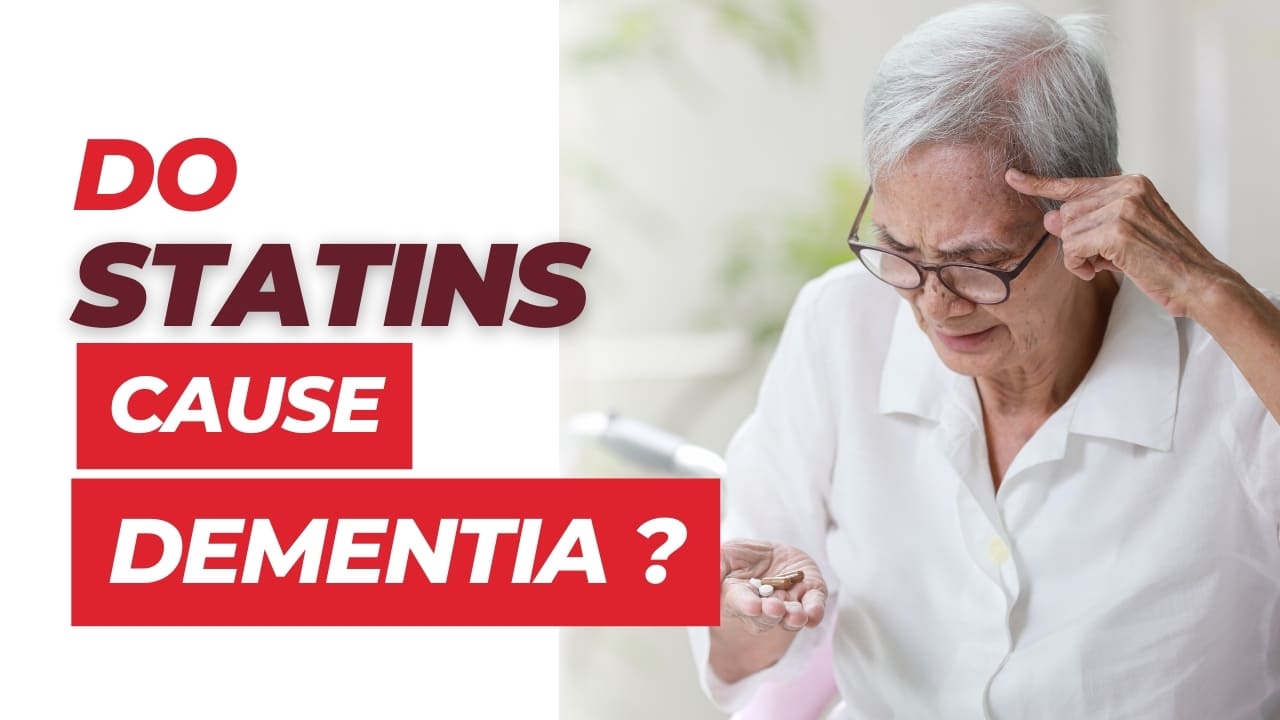
Statins are generally found to be very beneficial in outweighing the risks of patients needing them. Experts are clear that statins are good for avoiding cardiovascular diseases. However many patients are curious to know whether statins have a positive effect on their brains or Do Statins Cause Dementia? This concern comes to many patients due to mass and social media statements as well as rumors about the potential impact of statins on cognitive function, especially in older patients. As a result, patients showed reluctance on intake of statins when they were prescribed for the same.
Statins are a group of medications that help reduce high levels of bad cholesterol or low-density lipoprotein in the blood. These medicines are HMG-CoA reductase inhibitors that help treat patients suffering from dyslipidemia (abnormal fat level in the blood) and lower their risk of cardiovascular disease. These are even indicated for angina (heart attack), intermittent claudication (peripheral arterial disease), and stroke.
Some people have elevated levels of total cholesterol in the blood including more low-density lipoproteins (bad cholesterol) and/or triglycerides and less high-density lipoproteins (good cholesterol). Cholesterol is a soft wax-like fatty substance, naturally existing in the bloodstream as well as the cells. The liver and other body cells produce most of it while some of it comes from food. Having enough good cholesterol in the blood is necessary for an overall healthy body while bad cholesterol and triglycerides hurt health.
Statins block the hydroxy-methylglutaryl-coenzyme, a reductase (HMG-CoA reductase), an enzyme in the liver. It is involved in the production of cholesterol. Besides reducing bad cholesterol production inside the liver, statins even work to eliminate bad cholesterol already present in the blood. Statins can even help in reducing inflammation of the artery walls, thereby preventing blockages and subsequent heart and brain damage.
The commonly reported side effects of taking statins:
The serious, rarely occurring side effects of taking statin:

Do Statins Cause Dementia? Alzheimer’s disease is the most common kind of Dementia, a progressive condition characterized by changes in the brain causing certain proteins to deposit in the cell. It can cause brain cells to shrink and eventually die, thereby impairing an individual's memory, thinking, and decision-making.
High doses or prolonged intake of Statins and statins crossing the blood-brain barrier may lead to cognitive impairments like Alzheimer’s disease. Do Statins Cause Dementia? It seems unlearned that statins can help minimize the risk of cognitive problems and keep the heart healthy. A healthy heart won’t help the brain to suffer from any changes. Statins can help reduce inflammation and prevent interrupted blood flow to the brain, thus keeping the brain functioning normally.

Researchers suggest that people taking statins have a 14-fold more risk of developing peripheral neuropathy than those who are not taking statins. However, the overall risk of causing peripheral neuropathy is minimal with the intake of statins. Peripheral neuropathy is a serious medical condition characterized by damage of the peripheral nerves- the nerves situated outside the brain and spinal cord.
Research studies reveal that the chances of peripheral neuropathy are most pronounced in patients taking lipophilic statins such as and . The association of statins and peripheral neuropathy is negligible for other lipophilic statins such as and Lovastatin. Weaker association with peripheral neuropathy similarly is exhibited by hydrophilic statins such as Pravastatin and Rosuvastatin. No reports are stating the association of Pitavastatin with peripheral neuropathy.

Some medical researchers suggest a link between statins and cognitive impairment. But, to date, there is not sufficient medical evidence to support the connection between statins and dementia. Dementia refers to the diseases/conditions resulting in impaired thinking, memory, or decision-making. After clinical studies done on some statin medications, researchers have proposed that statins may negatively impact the brain and lead to memory loss only when there is an extreme reduction in the cholesterol levels in the blood.
Do Statins Cause Dementia? Statins, while primarily used to lower cholesterol and reduce cardiovascular risks, have raised concerns about potential cognitive side effects. Researchers even suggest that statins can cause toxicity in the brain if they cross the blood-brain barrier. However, these are all theories requiring supporting evidence. Researchers even found that patients who take statins are more likely to have other conditions like diabetes, hypertension, and obesity which increases the likelihood of cognitive decline.
Even comprehensive studies, including a 4.5-year follow-up of nearly 19,000 people, found no direct link between statin use and dementia. Notably, the FDA emphasizes that the cardiovascular benefits of statins outweigh any possible cognitive risks. Additionally, lifestyle changes and non-statin medications are alternative options for managing cholesterol.
Many medicines and even natural alternatives claim to lower cholesterol, but none are as efficient as statins. You can try out fibrates, plant sterols and stanols, niacin, cholestyramine and other bile-acid binding resins, red yeast rice extract, and policosanol.
As per medical researchers, high-dose statins like Rosuvastatin and Atorvastatin can cause blood sugar levels to rise and increase the risk of type 2 diabetes. This is possible because statins can stop insulin in the body from working normally.
Yes, statins cause muscle pain. Theories suggest that statins may impact proteins in the muscle cells, thereby reducing muscle growth, or may reduce levels of coenzyme Q10 in the body, thereby impairing muscle working due to less muscle production by the muscles. Any of these cases may lead to muscle pain. Rarely, the breakdown of muscle tissue can cause muscle pain.
Statins intake may cause muscular and overall tiredness in some patients. Patients may feel sick or tired after taking statins even due to other side effects like persistent nausea, pains and aches, diarrhea or constipation, gas, flushing, and heartburn which disturbs night sleep.
It’s a common concern whether statins are good for sexual life. Most men who take statins do not report erectile dysfunction- trouble in achieving or maintaining an erection. There is not enough evidence supporting statins' link with erectile dysfunction. This blog explores the question: Do Statins Cause Dementia? For more information, it's crucial to consult a healthcare professional.
> Allergy Medications: Types, Uses, Costs & Side Effects
> Xeljanz Cost & Savings Guide: How to Buy Safely Online
> 5 Ways to Lower Your Prescription Drug Prices This Month