Enjoy FREE shipping on your first order! (Minimum $99 purchase)
Alert: Important Update for US patients - Upcoming U.S. Government changes. Click to read more

Enjoy FREE shipping on your first order! (Minimum $99 purchase)
Alert: Important Update for US patients - Upcoming U.S. Government changes. Click to read more
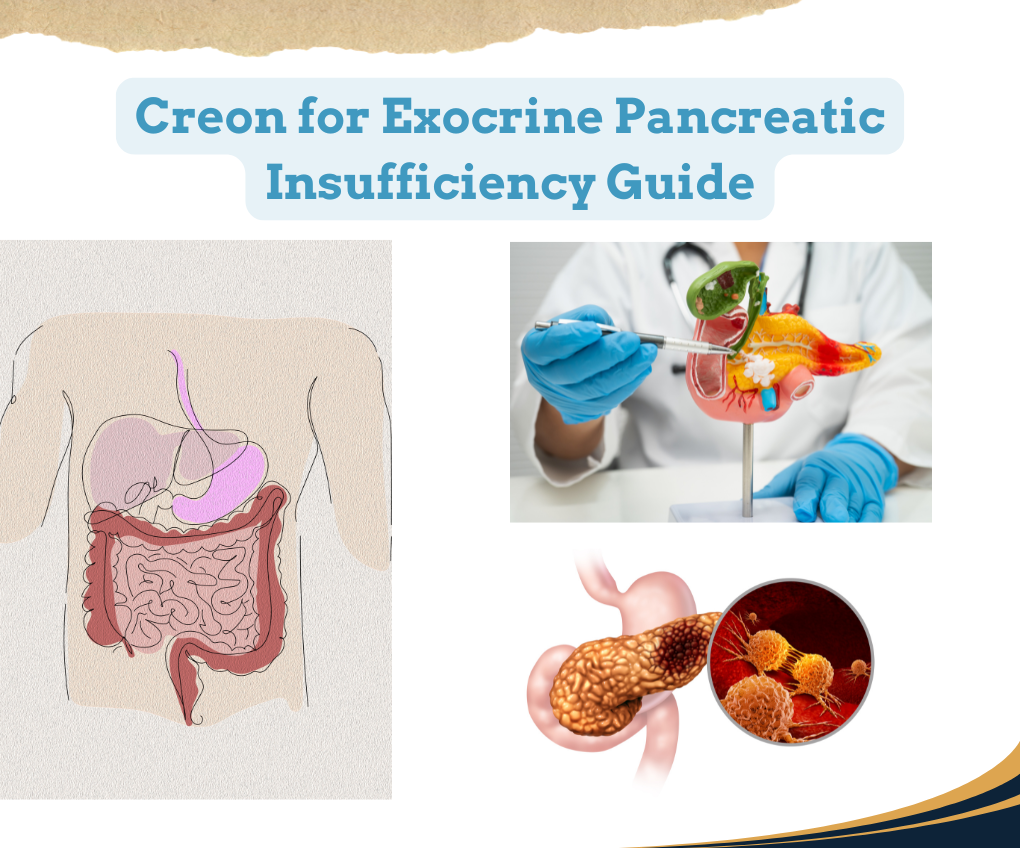
Creon is a pancreatic enzyme replacement therapy used to treat exocrine pancreatic insufficiency (EPI), a condition in which the pancreas fails to produce sufficient digestive enzymes. This results in poor digestion and nutrient absorption. Creon for Exocrine Pancreatic Insufficiency helps restore enzyme levels, improving digestion and reducing symptoms such as bloating, diarrhea, and weight loss. Proper use of Creon for EPI and maintaining overall digestive health.
Exocrine pancreatic insufficiency (EPI) is a digestive disorder in which the pancreas fails to produce or release sufficient digestive enzymes. These enzymes are necessary for breaking down food into nutrients that the body can absorb. Without them, digestion becomes inefficient, leading to malabsorption and nutritional deficiencies.
The pancreas has an exocrine function responsible for producing digestive enzymes. When this function is impaired, undigested food passes through the gastrointestinal tract, resulting in symptoms such as diarrhea, steatorrhea (fatty stools), abdominal discomfort, and weight loss.
Several conditions can cause EPI:
Common symptoms include:
If left untreated, EPI can lead to severe malnutrition and decreased quality of life. Early diagnosis and treatment with enzyme replacement therapy, such as Creon (pancrelipase), are essential for effective management.
Creon works by directly replacing the digestive enzymes that the pancreas cannot produce in sufficient quantities. It contains a combination of lipase, protease, and amylase, each playing a specific role in digestion.
Lipase is responsible for breaking down fats into fatty acids and glycerol, which the body can then absorb. Protease breaks proteins into amino acids, supporting muscle repair and overall body function. Amylase breaks down carbohydrates into simple sugars to supply energy.
When Creon for Exocrine Pancreatic Insufficiency is taken with meals, the enzymes mix with food in the stomach and travel to the small intestine. The delayed-release coating protects the enzymes from stomach acid and allows them to become active in the intestine, where digestion primarily occurs.
The effectiveness of Creon depends on correct timing and dosage. Taking it at the beginning or during meals ensures that enzymes are present when food enters the digestive tract. This allows for efficient breakdown and absorption of nutrients.
By restoring enzyme activity, Creon helps reduce symptoms such as bloating, gas, and diarrhea. It also improves nutrient absorption, which is essential for maintaining body weight and preventing deficiencies.
Creon provides significant benefits for individuals with EPI by addressing enzyme deficiency and improving digestion.
Helps break down fats, proteins, and carbohydrates effectively
Supports efficient absorption of vital vitamins and minerals
Decreases bloating, gas, and abdominal discomfort
Improves stool consistency and reduces steatorrhea
Supports calorie absorption and stabilizes body weight
Reduces risk of malnutrition and vitamin deficiencies
Allows patients to maintain a more normal diet
Regular use of Creon can lead to noticeable improvement in symptoms and overall well-being, especially when combined with proper dietary management.
| Condition | Typical Dose Range |
|---|---|
| EPI (general) | 25,000–80,000 units of lipase per meal |
| Snacks | Half of the meal dose |
| Cystic fibrosis | Weight-based dosing |
| Post-surgery | Individualized dosing |
Proper use of Creon for Exocrine Pancreatic Insufficiency is essential to achieve optimal results in managing EPI.
Consistency and correct usage significantly improve treatment outcomes.
Exocrine pancreatic insufficiency (EPI) is a digestive disorder in which the pancreas fails to produce enough enzymes required for proper digestion. These enzymes are essential for the breakdown of fats, proteins, and carbohydrates. Without them, food remains partially undigested, leading to symptoms such as diarrhea, greasy stools, bloating, and abdominal discomfort. Creon for Exocrine Pancreatic Insufficiency is commonly prescribed to help replace these missing enzymes and improve digestion. Over time, poor nutrient absorption can result in weight loss, weakness, and deficiencies in essential vitamins, especially fat-soluble vitamins like A, D, E, and K.
Creon helps people with EPI by replacing the digestive enzymes that their pancreas cannot produce in sufficient amounts. It contains lipase, protease, and amylase, which aid in the breakdown of fats, proteins, and carbohydrates. When taken with meals, Creon mixes with food and supports proper digestion in the small intestine. This improves nutrient absorption and helps reduce symptoms such as bloating, diarrhea, and fatty stools. Regular use of Creon allows patients to maintain better digestive health and improve overall quality of life.
Creon begins working immediately when taken with food, as enzymes become active in the small intestine during digestion. It helps break down nutrients in the same meal, supporting proper absorption. However, while its action is immediate, noticeable improvement in symptoms such as bloating, gas, and stool consistency may take a few days to a week of consistent use. Effectiveness depends on correct dosing, meal timing, and adherence to the prescribed treatment plan.
Yes, most patients with exocrine pancreatic insufficiency need to take Creon long-term because the pancreas usually cannot regain its ability to produce sufficient digestive enzymes. Continuous use of Creon ensures proper digestion and prevents complications such as malnutrition, weight loss, and vitamin deficiencies. The dosage may be adjusted over time based on dietary habits and symptom control. Regular follow-up with a healthcare provider is important to ensure effective and safe long-term management of the condition.
> Allergy Medications: Types, Uses, Costs & Side Effects
> Xeljanz Cost & Savings Guide: How to Buy Safely Online
> 5 Ways to Lower Your Prescription Drug Prices This Month