Enjoy FREE shipping on your first order! (Minimum $99 purchase)
Alert: Important Update for US patients - Upcoming U.S. Government changes. Click to read more
Enjoy FREE shipping on your first order! (Minimum $99 purchase)
Alert: Important Update for US patients - Upcoming U.S. Government changes. Click to read more
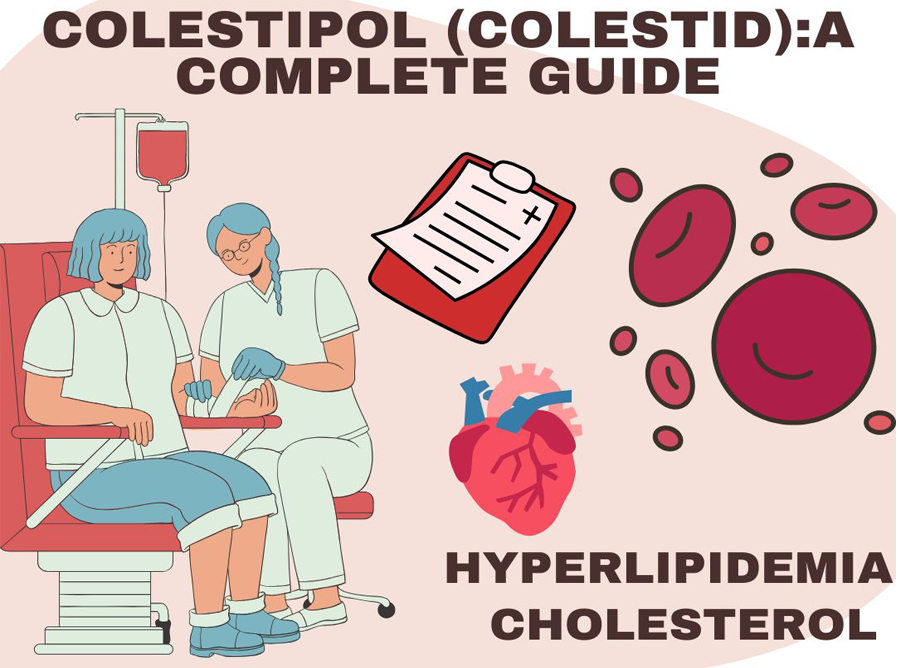
Colestipol is a drug that is frequently recommended to assist control excessive cholesterol, especially in those who have been diagnosed with hyperlipidemia (high blood lipid, or fat, levels). By lowering the excessive cholesterol the risk of cardiovascular diseases is reduced.
Let's examine the science of colestipol, its uses, its side effects, and how it helps control cholesterol and other therapeutic benefits.
A prescription drug called Colestipol is usually given to you orally as a pill or powder. It lowers LDL (low-density lipoprotein) cholesterol, the "bad" cholesterol that can accumulate in the arteries and raise the risk of heart disease and stroke. It is used in conjunction with a balanced diet, regular exercise, and occasionally other drugs.
The digestive system is where colestipol functions. Colestipol attaches itself to bile acids, which are compounds that the liver naturally makes from cholesterol. The breakdown of fats in meals depends on these bile acids. On the other hand, bile acids are usually recycled by the body and can be used again.
The liver uses more cholesterol to produce new bile acids because colestipol binds to them and stops them from being reabsorbed into the bloodstream.
Reduced Cholesterol Production: Blood cholesterol levels fall when the liver converts cholesterol into new bile acids. Over time, this leads to decreased LDL cholesterol levels.
To list down some of the known benefits of Colestipol includes:
Some of the commonly listed mild to moderate side effects of Colestipol include:
Some of the Rare but serious side effects that need medical care include:
How effectively colestipol works and how well you tolerate it may depend on when you take it. Depending on your doctor's advice, you should typically take Colestipol once or twice daily. It is usually divided between morning and evening doses if prescribed to take it twice a day.
Although Colestipol can be taken with or without food, it is usually advised to take it with meals in order to reduce the likelihood of gastrointestinal side effects like indigestion or bloating. Its ability to bind bile acids during digestion can also be improved by taking it with food.
To create a habit and increase colestipol's effectiveness, try taking medication at the same time every day.
Colestipol, a bile acid sequestrant, is not usually used as a main treatment for diarrhea, though it occasionally has the side effect of lessening diarrhea. It functions by attaching itself to intestinal bile acids.
Diarrhea may occasionally result from an overabundance of bile acids in the intestines (caused by disorders such as bile acid malabsorption or following gallbladder ectomy).
Colestipol can lessen the irritation that causes diarrhea by binding to bile acids and lowering the number of free bile acids in the intestines. Consequently, it might lessen or manage diarrhea brought on by an overabundance of bile acids in the digestive system.
Colestipol, a medication that belongs to the class of drugs called bile acid sequestrants, is frequently used to treat hyperlipidemia, elevated LDL, high cholesterol, and hyperlipoproteinemia Type IIa.
Colestipol cost can vary based on different factors like its strength, dosage, manufacturing country, depending on your region, if you have insurance, where you buy it, and even your medication dispensing pharmacy.
Depending on the pharmacy you visit, the price of a supply of 30 colestipol 5 g oral granules for reconstitution is approximately $86-$100.
Colestipol may be covered by your health insurance if you have one, which can drastically lower your out-of-pocket costs. However, the formulary and copay structure of your plan will determine the exact cost. The price may be greater for people with high copays or no insurance. You can choose the most economical choice by comparing prices at several pharmacies.
For several reasons, many individuals choose to purchase colestipol online from trustworthy and reliable online pharmacy CanadaPharmacyPro:
To ensure the safe and efficient use of colestipol, be mindful of specific warnings and precautions:
Colestipol's action of binding bile acids in the intestines may cause it to interact with some foods and beverages by influencing the absorption of fat-soluble vitamins (A, D, E, and K). There aren't any noteworthy direct interactions with particular foods or beverages, though.
Yes, colestipol and other medications may interact. It may reduce the absorption of some medications, including thyroid treatments, blood thinners (like warfarin), and some antibiotics. It is advised to take these drugs either one hour before or four hours after colestipol in order to prevent interactions. To handle any possible interactions, always let your doctor know about all of the medications you're taking.
Unless it's almost time for your next dose, take the missed colestipol as soon as you remember. If so, do not take two doses at once; instead, omit the missing one. Adhere to your usual dosage regimen. See your healthcare professional for advice if you're not sure.
Although it is normally advised to take colestipol (Colestid) with meals to reduce gastrointestinal discomfort, it is possible to take it on an empty stomach. For the best outcomes, always do as your healthcare practitioner instructs.
Weight gain is not usually associated with Colestipol (Colestid). Although weight gain is not a common adverse effect, some people may develop gastrointestinal side symptoms such as bloating or constipation. You should speak with your healthcare professional if you observe any odd weight fluctuations.
Colestipol (Colestid) usually leaves your system one to two days after your last dose because of its short half-life of roughly 10 to 20 hours. It may, however, have longer-lasting impacts on cholesterol levels. Always heed your doctor's advice on dose and use.
> Allergy Medications: Types, Uses, Costs & Side Effects
> Xeljanz Cost & Savings Guide: How to Buy Safely Online
> 5 Ways to Lower Your Prescription Drug Prices This Month