Enjoy FREE shipping on your first order! (Minimum $99 purchase)
Alert: Important Update for US patients - Upcoming U.S. Government changes. Click to read more

Enjoy FREE shipping on your first order! (Minimum $99 purchase)
Alert: Important Update for US patients - Upcoming U.S. Government changes. Click to read more
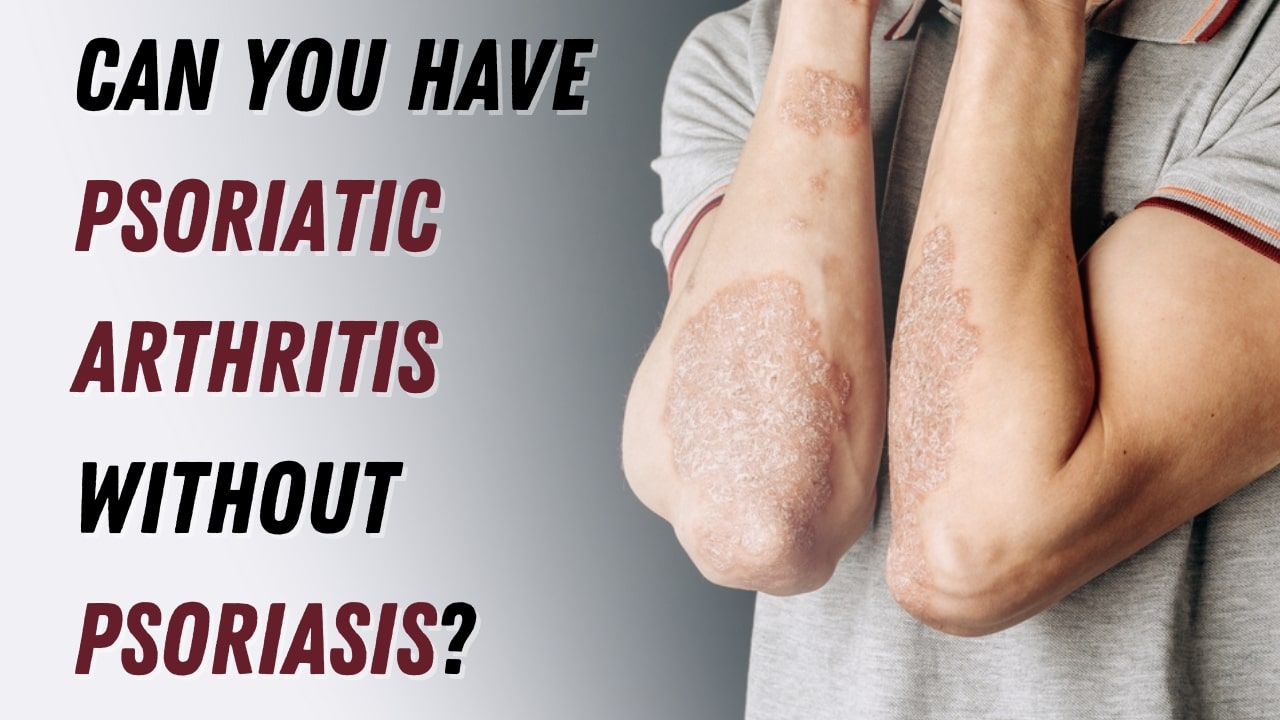
In this blog, some light is thrown on Psoriasis and Psoriatic Arthritis. Keep reading to get an answer to one of the most asked questions related to psoriasis and psoriatic arthritis: Can you have psoriatic arthritis without psoriasis?

Psoriasis is an immune-mediated skin condition that causes the skin to become red, itchy, inflamed, and covered with silvery scales. Its symptoms can develop on the skin of any body part but most commonly it appears on the elbows, scalp, and knees of the patient.
Psoriasis results from an overactive immune system that speeds up the growth of the skin cells. Skin cells naturally shed over time and get replaced with new cells. However, in the case of psoriasis, the skin cells do not naturally shed, they rather build up on the skin's surface. This results in visible signs of psoriasis.

Some of the main signs of Psoriasis include:
The visible signs of psoriasis vary among patients based on their skin tone. Light-skinned people usually have pink or red patches with silvery-white scales, while salmon-colored patches appear with silvery-white scales on medium skin tones. Dark-skinned individuals are affected with psoriasis that appears violet with gray scales or dark brown and is less noticeable.

It is important to have all types of modifications in your lifestyle changes, from nutrition to diet to weight loss, that can help manage this issue.

Psoriatic Arthritis is an autoimmune condition, an inflammatory disease, which causes pain, stiffness, and swelling around the joints as well as the sites where ligaments and tendons attach to the bones. It can affect people of any age group, mostly first symptoms appear in people of age group 35-55. Now as you have learned about psoriasis and psoriatic arthritis, you must be wondering if you can have psoriatic arthritis with psoriasis.

There is no definite cause of psoriatic arthritis known to experts to date. Experts suspect that psoriatic arthritis could be due to an individual’s genetic makeup and rest depends on environmental factors.
Psoriatic Arthritis is more likely in people with severe psoriasis and obesity. Now that you know that psoriasis-affected people are at high risk of developing psoriatic arthritis, you must be wondering about the symptoms of having psoriatic arthritis without psoriasis.
Furthermore, people who have a family history of psoriasis or arthritis are also at high risk of developing psoriatic arthritis. Another risk factor is age. Psoriatic arthritis mostly affects people aged between 30 and 50 years.

Psoriatic Arthritis patients often develop symptoms, including:

People who experience mild symptoms of psoriatic arthritis may control their pain and inflammation with over-the-counter anti-inflammatory medications. However, those who have advanced psoriatic arthritis or those who have psoriatic arthritis without psoriasis would require prescription treatment.
Doctors may prescribe any of the following:
There is no cure but management of the condition is possible with medications, some lifestyle modifications, or else surgery.

Yes, it is very much possible that you can have Psoriatic Arthritis or Psoriasis without one another. However, this is uncommon. Psoriatic arthritis and psoriasis may sound similar, but they are entirely different medical conditions affecting the skin. They do have some genetic similarities but the connection between them is not completely understood.
Both psoriasis and psoriatic arthritis can be related to one another as the immune system plays a role in their occurrence. But they both do not always occur in the same instance. They may develop either before or at the same time. Not every psoriasis patient develops psoriatic arthritis. In case you have psoriasis and develop psoriatic arthritis, you will be confirmed diagnosed as having psoriatic arthritis within approximately 15 years. As per studies, about 30% of psoriasis patients develop psoriatic arthritis.
After learning that psoriatic arthritis overlaps psoriasis but not everyone suffers from it, now we can learn how psoriatic arthritis and psoriasis are connected and even different.
Both psoriasis and psoriatic arthritis are chronic conditions that develop when the immune system attacks its own body instead of eliminating foreign invaders from the body. Inflammation is a part of their development. A very small percentage of people affected with psoriasis will develop psoriatic arthritis. However, doctors are unable to tell that psoriasis patients will get psoriatic arthritis for sure until the later condition develops.
In general, the skin-related symptoms develop first in the case of psoriatic arthritis. But sometimes, signs related to arthritis appear months or even years before skin problems develop, making it difficult for psoriatic arthritis to be diagnosed in time. Patients experiencing severe psoriasis are at higher risk of getting psoriatic arthritis. The skin plaques of psoriasis patients can flare up and then subside. Symptoms of psoriatic arthritis may even appear and disappear.
There is no link between the location where the plaque develops and which joints are affected in psoriasis patients. Some patients could have skin lesions on their elbow but no pain, swelling, or movement-related problems with the elbow. Others may have swelling in their toes without scales or redness on the skin of their feet.
Psoriasis does not lead to scarring or any other long-term harm to the skin of the affected individual. On the other hand, psoriatic arthritis can cause damage to the joints and leave them deformed and stiff, if left untreated.
No, Psoriasis can increase the level of white blood cells. Psoriasis is an autoimmune skin condition wherein the WBCs or the T cells mistakenly recognize healthy skin cells as foreign and attack them to cause skin inflammation and other symptoms. Inflammation of the skin causes the WBC count to increase. It also causes an increase in the number of cytokines, which include tumor necrosis factor, interleukin-2, and interferon-gamma.
Castor oil has a fatty acid called Ricinoleic acid as the active ingredient and other constituents like linoleic acid and oleic acid. It can be used as a natural remedy for psoriasis as some studies reveal its effectiveness in reducing skin inflammation by acting on the immune system. However, to date, there is no clear evidence of its working.
Psoriatic Arthritis does not cause hair loss directly but hair loss can be a side effect of a skin condition called psoriasis and certain medications used to treat psoriatic arthritis. People with Psoriasis on their scalp usually have itchy scalp skin and they tend to scratch it, thereby causing potential damage to the hair follicles and subsequent hair loss. Luckily, hair loss is treatable once scalp psoriasis is under control.
Yes, Psoriasis is a skin disease that can develop on a dog’s skin just like it does in humans. But dogs getting psoriasis is rarely documented. If you suspect that your pet dog has psoriasis, check for some symptoms and consult a veterinarian. The symptoms include excessive itchiness, dandruff, and scaling; cracked and bleeding skin; scaly, sore foot pads that make walking difficult; arthritis signs; red and scaly patches on the scalp, legs, sacral areas, and elbows tip.
According to experts, there is a likely connection between obesity and Psoriatic Arthritis. In people having psoriatic arthritis, the chances of being obese or overweight are higher. However, there is no such evidence or clarity about weight gain resulting from or contributing to psoriatic arthritis. Inflammation associated with psoriatic arthritis can make it hard for patients to lose weight because of fatigue or reduced activity levels. Hope you have got “Can you have psoriatic arthritis without psoriasis?
> Allergy Medications: Types, Uses, Costs & Side Effects
> Xeljanz Cost & Savings Guide: How to Buy Safely Online
> 5 Ways to Lower Your Prescription Drug Prices This Month