Enjoy FREE shipping on your first order! (Minimum $99 purchase)
Alert: Important Update for US patients - Upcoming U.S. Government changes. Click to read more

Enjoy FREE shipping on your first order! (Minimum $99 purchase)
Alert: Important Update for US patients - Upcoming U.S. Government changes. Click to read more
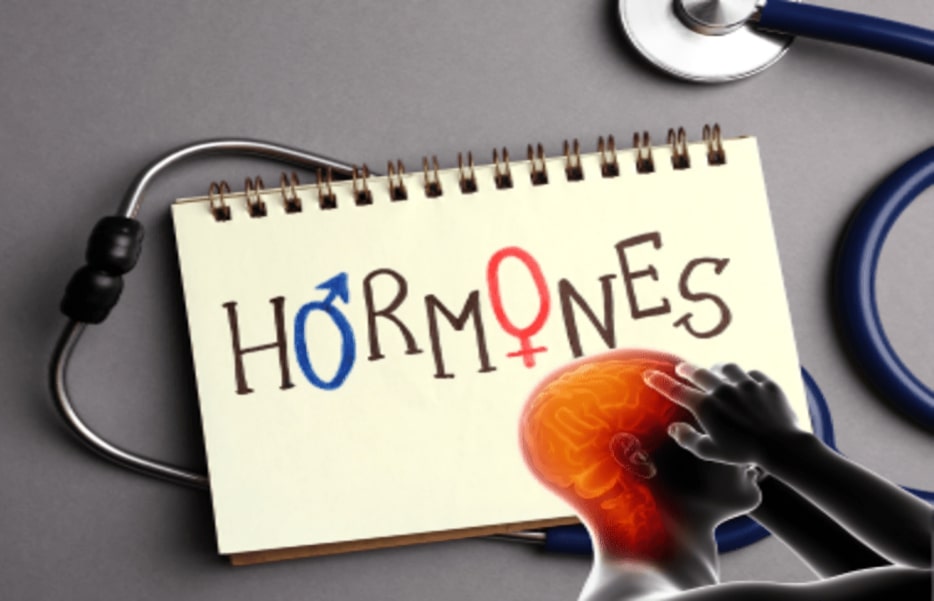
Headache is a common problem that can happen due to many possible reasons. These include age, genetics, and dietary triggers. In this guide you will gain insights into are hormones cause your headaches, what are hormonal headaches, and how to stop hormonal headaches.
Different types of headaches significantly vary in their intensity, frequency, location, and cause. Broadly, headaches can be primary or secondary. Primary headaches are the ones where the main problem is the headache itself.
The most common primary headaches are migraine headaches, tension headaches, cluster headaches, and hypnic headaches. Secondary headaches are signs of some underlying serious illness such as meningitis, brain tumor, head injury, and aneurysm.

Women suffering from headaches often notice a connection between fluctuating hormones and headaches. The link is possible because of changing levels of estrogen which at low levels are hormones causing your headaches to worsen.
The National Migraine Centre has found that half of the women experiencing migraine headaches are the ones who have started having their periods. These headaches are menstrual migraines that tend to be severe. They develop mostly 2 days before the periods or the initial 3 days of periods when there is less estrogen.
So, are hormones causing your headaches, or want to know what causes hormonal headaches? If you feel so, the good news is you can get your headaches treated and even prevented with the help of a healthcare provider. To know more details about hormonal headaches and where are hormonal headaches located, keep reading this post.

Hormonal headaches are primary headaches in women experiencing hormonal fluctuations. The fluctuating hormones in the female body are the main contributing factor to menstrual migraines and chronic headaches. In these types of headaches, estrogen is the hormone causing your headaches.
For women with fluctuating levels of estrogen, a hormone is said to be the culprit behind headache woes. With the start of the influence of estrogen, there is a rise in the prevalence of migraines or chronic headaches.
Oestrogen is a female sex hormone that regulates the reproductive system in women. But, it is even known to control the levels of chemicals in the brain that have an impact on pain sensation.
The chemical substances that can excite pain receptors include serotonin, bradykinin, and histamine. Pain sensation can be more if there is any inflammation because of the release of prostaglandins that sensitize the nerve endings.
When there are reduced levels of estrogen, there is no control over brain chemicals which causes a headache. Such headaches are called hormonal headaches. Typically, these headaches occur in the form of migraines and can last anywhere from 4 to 72 hours.

Hormonal headaches are the result of a drop in levels of female sex hormone called estrogen. Low estrogen in a female body can trigger a migraine headache because of the inability to have control of the brain chemicals associated with pain sensation.
So, what causes hormonal headaches? There are various reasons for estrogen hormone levels to fall. These include:
At the time of pregnancy, the level of estrogen in the body of the mother-to-be rises steadily and reaches a peak in the 7th to 9th month of pregnancy. Mostly, women do not experience hormonal headaches during pregnancy.
However, some may experience migraine headaches during early pregnancy and get relief from it following the third trimester. In the days and weeks after child delivery, the newly-made mothers experience hormonal headaches because of the reduced estrogen levels in their bodies.
The beginning of menstruation (menstrual bleeding) indicates the start of the follicular phase of the menstrual cycle. When menses occur, the levels of estrogen are low. This could make women experience hormonal headaches.
Most women experience hormonal headaches a few years before there is a full stop to their menstruation due to fluctuating estrogen hormones. Some women report relief from migraine symptoms as they reach menopause while for some their headaches may worsen at the time of the end of menses, usually if they are undergoing hormone replacement therapy.
Birth control pills contain estrogen and in hormone replacement therapy estrogen may be given. Until women take these oral contraceptives or therapy, they can keep hormonal headaches at bay. The migraines can show up when they take pills not have estrogen or after they have ended their therapy.

Hormonal headaches or menstrual migraines feel the same as regular migraines and maybe with or without aura. Regular migraines are throbbing headaches that start at one side of the head and so are hormonal.
Besides one-sided head pain, hormonal headaches may also exhibit other symptoms. These include:
Are hormones causing your headaches? The answer is yes. There are different treatment options available to help treat hormonal headaches. These include:

Treating headaches early can increase the chances of having relief. The ways by which hormonal headaches can subside include:

Some medications can help get temporary relief from hormonal headaches or reduce the intensity of migraine attacks. The examples are:
Women with hormonal headaches can take medications alongside preventive therapy. They may take the medications either before the time of their periods when it’s most likely for them to experience hormonal headaches or daily.
The medications that can help treat hormonal headaches are anticonvulsants, beta-blockers, antidepressants, and calcium channel blockers.
However, if pregnant, planning to get pregnant, or breastfeeding, discuss with your doctor all your medications before starting to take them to avoid adverse side effects.

If combined birth control pills are making your headaches worse, inform your doctor. If you are having headaches only at times when you miss taking the pills, you can avoid a sudden drop in your estrogen by taking them without a break, or else you can switch to a progestin-only pill.

It is one of the best answers for one looking for a way how to stop hormonal headaches. In case of failure to use preventive medications, your doctor may recommend you to go for hormone replacement therapy.
This commonly involves the use of hormonal contraceptives to balance out the levels of estrogen and progestin hormones levels and reduce hormonal headaches.
For some women, the doctor may advise them to skip the hormone-free placebo pills in the last week of the birth control pack. If not pills, your doctor may prescribe estrogen patches or gels which are more stable and less likely to cause migraine attacks.

If havingPrevention of Hormonal Headaches periods regularly that are associated with headaches, the doctor may prescribe preventive medication for your headache that you will need to take as a doctor recommends.
To note possible triggers of your headache, you must have a headache journal where you must keep track of your sleep schedule, menstrual cycle, diet, and exercise habits.
If you are taking birth control pills, you should ask your doctor for the following, if possible:

If developing headaches often just before menses and hormones causing your headaches, here are some tips that can help you prevent hormonal headaches next time:
Yes, changes in hormones can trigger headaches and nausea in many people or individuals. Hormones, like estrogen and progesterone in females, play a vital role in regulating several bodily functions, and also the blood vessels and neurotransmitters. Any changes or imbalances in these hormones, cause or trigger pain receptor sensitivity, and this in turn triggers headaches or migraines. In many cases, these hormonal changes can affect digestive health, and cause symptoms like nausea.
Yes, changes in hormone levels often trigger dizziness in many people. Hormones like estrogen and progesterone can affect body fluid balance and even blood vessels. When there is an imbalance in these hormones, it causes dizziness or light-headedness. In many females in the menopause stage, can affect glucose levels and cause its rise and fall. As a result, the cells of the body do not receive a sufficient energy supply which causes fatigue in dizziness. It can also occur when the part of the brain that controls balance (in the inner ear) is not functioning properly.
Yes, hormone imbalance triggers nausea. Any fluctuations in estrogen and progesterone can affect the functioning of the digestive system and cause symptoms like nausea. Changes in hormones also impact the overall functioning of the gastrointestinal tract (GI), which causes digestive changes and nausea.
Hormone imbalances contribute to certain indications and concerns like migraine, nausea, dizziness, and weight gain. If talking about Obsessive-Compulsive Disorder or OCD, is primarily a psychiatric condition and is not directly caused by hormonal imbalances. OCD is a complex disorder characterized by intrusive thoughts and repetitive behaviors. It is suggested to consult with a doctor for a comprehensive assessment and suitable treatment of OCD signs.
Are hormones causing your headaches, fatigue, and irritability? Yes, many hormones are associated with headaches, fatigue, and irritability. Any changes or fluctuations in both estrogen and progesterone hormones, mainly during menstrual cycles or menopause, cause headaches, fatigue, and mood changes. Serotonin hormone level changes trigger headaches, dizziness, nausea, and mood disorders. The cortisol stress hormone, levels can impact energy levels humor, and any imbalance in its level causes headaches and fatigue. Thyroid hormones and adrenaline level imbalance often trigger headaches and irritability.
> Allergy Medications: Types, Uses, Costs & Side Effects
> Xeljanz Cost & Savings Guide: How to Buy Safely Online
> 5 Ways to Lower Your Prescription Drug Prices This Month