Enjoy FREE shipping on your first order! (Minimum $99 purchase)
Alert: Important Update for US patients - Upcoming U.S. Government changes. Click to read more

Enjoy FREE shipping on your first order! (Minimum $99 purchase)
Alert: Important Update for US patients - Upcoming U.S. Government changes. Click to read more
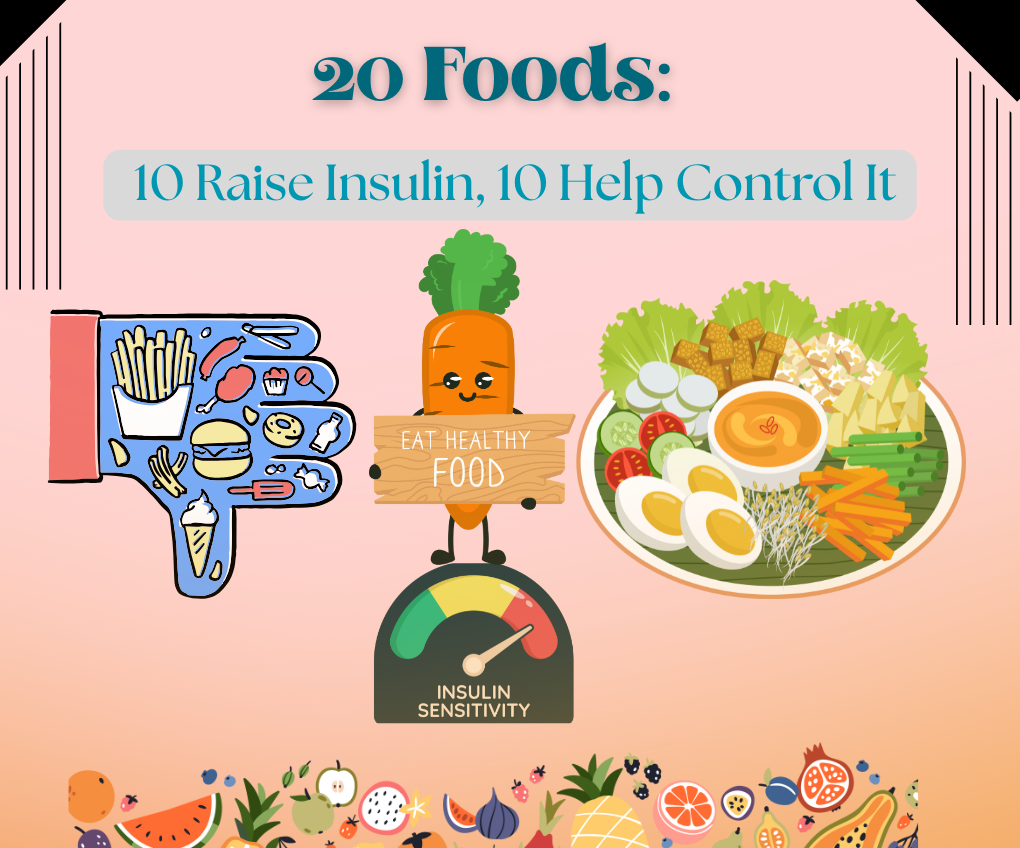
The foods you eat have a powerful impact on your body’s insulin response. Some cause sudden spikes in blood sugar, while others help maintain balance and improve overall metabolic health.
Insulin is a vital hormone that plays a key role in maintaining your body’s blood sugar balance. Produced by the pancreas, its main job is to help your cells absorb glucose (sugar) from the bloodstream and use it for energy. When you eat, especially foods that contain carbohydrates, your blood sugar levels rise. In response, the pancreas releases insulin to move that sugar into your cells.
This system works perfectly in a healthy body, but problems can arise when insulin levels are constantly high. Over time, your body may become less sensitive to insulin—a condition known as insulin resistance. This can lead to weight gain, fatigue, and eventually, type 2 diabetes.
To manage insulin levels and balance blood sugar, it’s important to understand which foods cause insulin spikes and which ones help keep it steady. Some foods cause a rapid rise in blood sugar and insulin, while others digest more slowly and release sugar gradually. Knowing the difference can help you make smarter choices for your health and energy.
Let’s explore both sides: the 10 foods that spike insulin and the 10 insulin-friendly foods that help you keep it under control.
Some foods cause insulin to rise quickly after eating. These foods often have a high glycemic index (GI), meaning they digest rapidly and lead to quick blood sugar surges. Here are 10 common foods that spike insulin levels:
White bread is made from refined flour that’s stripped of fiber and nutrients. This makes it a high-glycemic food that quickly turns into glucose in your body, causing a sharp insulin spike.
Many breakfast cereals may look healthy, but are often loaded with sugar. Starting your day with one of these can send your insulin soaring before lunchtime.
White rice is another refined grain that breaks down quickly into glucose. It’s a staple in many diets but can cause significant fluctuations in insulin and blood sugar.
These sweet treats combine refined flour, sugar, and fat—a perfect recipe for high insulin levels. They also offer little nutritional value.
Soda, fruit juices with added sugar, and energy drinks are among the worst culprits for spiking insulin. Liquid sugars enter the bloodstream almost instantly.
Fried potatoes are both high in starch and fat, leading to a quick sugar surge and insulin response. Plus, they add unnecessary calories.
Simple sugars in candy, chocolate bars, and desserts are rapidly absorbed, giving you a quick burst of energy followed by an insulin crash.
Chips, crackers, and other packaged snacks often contain refined carbs and hidden sugars. They may seem harmless, but they can trigger insulin spikes if eaten frequently.
While plain yogurt can be healthy, flavored varieties often contain large amounts of added sugar. Always check the label for hidden sweeteners.
Like white bread and rice, white pasta is made from refined flour. It can raise insulin quickly, especially when eaten without protein or fiber.
Eating too many foods that spike insulin doesn’t just cause temporary sugar highs—it can have long-term effects on your body. When your insulin levels stay elevated over time, your cells become less responsive to the hormone. This is known as insulin resistance, and it’s a key factor in the development of type 2 diabetes, obesity, and metabolic syndrome.
High insulin levels can also make it harder to burn fat. When insulin is constantly elevated, your body focuses on storing energy rather than using it. This can lead to weight gain, especially around the belly area.
Furthermore, rapid blood sugar spikes are often followed by quick drops, leaving you tired, irritable, and craving more sugar. This rollercoaster effect can make it difficult to control appetite and maintain steady energy throughout the day.
By contrast, eating low glycemic foods and insulin-friendly foods helps stabilize your blood sugar. You’ll feel fuller longer, have more consistent energy, and support overall metabolic health.
To manage insulin levels effectively, focus on low glycemic foods that release sugar slowly into your bloodstream. These foods are rich in fiber, protein, and healthy fats, which work together to keep you satisfied and your blood sugar steady.
Oats are an excellent source of soluble fiber, which slows digestion and helps balance blood sugar levels. Choose steel-cut or rolled oats rather than instant varieties.
Spinach, kale, and other leafy greens are low in carbohydrates and packed with nutrients. They have a minimal effect on insulin and are great for overall health.
These legumes are high in fiber and protein, making them low glycemic foods that keep blood sugar stable. They’re also rich in magnesium, which supports insulin sensitivity.
Unlike refined grains, whole grains such as quinoa, brown rice, and barley contain fiber that slows sugar absorption. They help you feel full longer while preventing insulin spikes.
Almonds, walnuts, flaxseeds, and chia seeds are excellent insulin-friendly foods. They provide healthy fats and protein that help control blood sugar responses after meals.
Salmon, mackerel, and sardines are rich in omega-3 fatty acids, which reduce inflammation and improve insulin sensitivity.
Avocados are full of heart-healthy monounsaturated fats and fiber. They help manage insulin levels by slowing digestion and supporting stable energy release.
Berries such as blueberries, strawberries, and raspberries have a low glycemic index and are packed with antioxidants. They satisfy your sweet tooth without causing sugar spikes.
Unsweetened Greek yogurt is high in protein and low in carbs. It can improve satiety and help balance blood sugar when eaten in moderation.
Unlike white potatoes, sweet potatoes have a lower glycemic index. Their fiber content helps slow down sugar release, making them a better carb choice.
While food plays a major role in controlling insulin, lifestyle habits also make a big difference. Here are some simple tips to help you manage insulin levels naturally:
Pair carbohydrates with protein, fiber, and healthy fats. For example, if you’re eating fruit, add a handful of nuts or a spoonful of yogurt. This combination helps slow sugar absorption.
Even healthy carbs can raise insulin if eaten in large quantities. Use smaller plates and listen to your hunger cues to avoid overeating.
Regular physical activity improves your body’s insulin sensitivity. Try walking after meals, doing strength training, or joining a dance class. Just 30 minutes of daily activity can have a significant impact.
Poor sleep can raise stress hormones that interfere with insulin function. Try to get 7–8 hours of restful sleep each night.
Chronic stress increases cortisol, which can lead to higher blood sugar levels. Practice relaxation techniques such as deep breathing, yoga, or meditation.
Drinking enough water helps your kidneys flush out excess sugar. Avoid sugary drinks, which can undo your efforts to balance blood sugar.
Skipping meals can cause blood sugar drops and trigger overeating later. Eating at regular intervals keeps insulin levels steady throughout the day.
If you get hungry between meals, pick insulin-friendly foods like nuts, hummus with veggies, or Greek yogurt instead of chips or candy.
Keeping a food journal can help you notice patterns in your eating habits and how certain foods affect your energy and cravings.
Alcohol can disrupt blood sugar control, especially when consumed on an empty stomach. Choose moderation and opt for lower-sugar drinks, such as dry wine or light beer.
Building a Balanced Plate for Blood Sugar Health: Understanding how food affects insulin is one of the most powerful steps you can take toward better health. By reducing foods that spike insulin and adding more low glycemic foods, you can keep your blood sugar steady, prevent energy crashes, and reduce your risk of chronic diseases.
A balanced plate for blood sugar health might include:
Remember, it’s not about strict dieting or giving up your favorite foods entirely—it’s about making smarter choices most of the time. Replace refined carbs with whole ones, cut down on added sugars, and build meals that satisfy you while keeping your energy stable.
Over time, these small changes can have a big impact on how you feel. You’ll likely notice fewer cravings, better focus, and improved mood. Most importantly, you’ll be supporting your body’s natural ability to manage insulin levels effectively.
At Canada Pharmacy Pro, we believe that making informed food and lifestyle choices is key to better blood sugar control. By focusing on insulin-friendly foods and living a healthy, active lifestyle, you can maintain steady blood sugar, support your metabolism, and feel your best every day.
Insulin spikes mainly happen when you eat foods high in refined carbs or sugar. These cause a rapid rise in blood sugar, leading your pancreas to release more insulin.
Yes, foods rich in fiber, healthy fats, and protein—like leafy greens, nuts, and whole grains—can help lower and stabilize insulin levels naturally.
Eating balanced meals every 3–4 hours helps maintain steady blood sugar and insulin levels. Avoid long gaps or skipping meals, which can cause spikes and dips.
Not always—short insulin spikes after meals are normal. The problem occurs when spikes happen too often or stay high for long periods.
A diet rich in low glycemic foods, lean proteins, vegetables, and healthy fats works best to balance insulin and support stable energy levels.
Absolutely! Regular exercise improves insulin sensitivity, helping your body use glucose more efficiently and keep insulin levels in check.
Some, like stevia or monk fruit, have little to no effect on blood sugar. But they should still be used in moderation for overall insulin health.
> Allergy Medications: Types, Uses, Costs & Side Effects
> Xeljanz Cost & Savings Guide: How to Buy Safely Online
> 5 Ways to Lower Your Prescription Drug Prices This Month